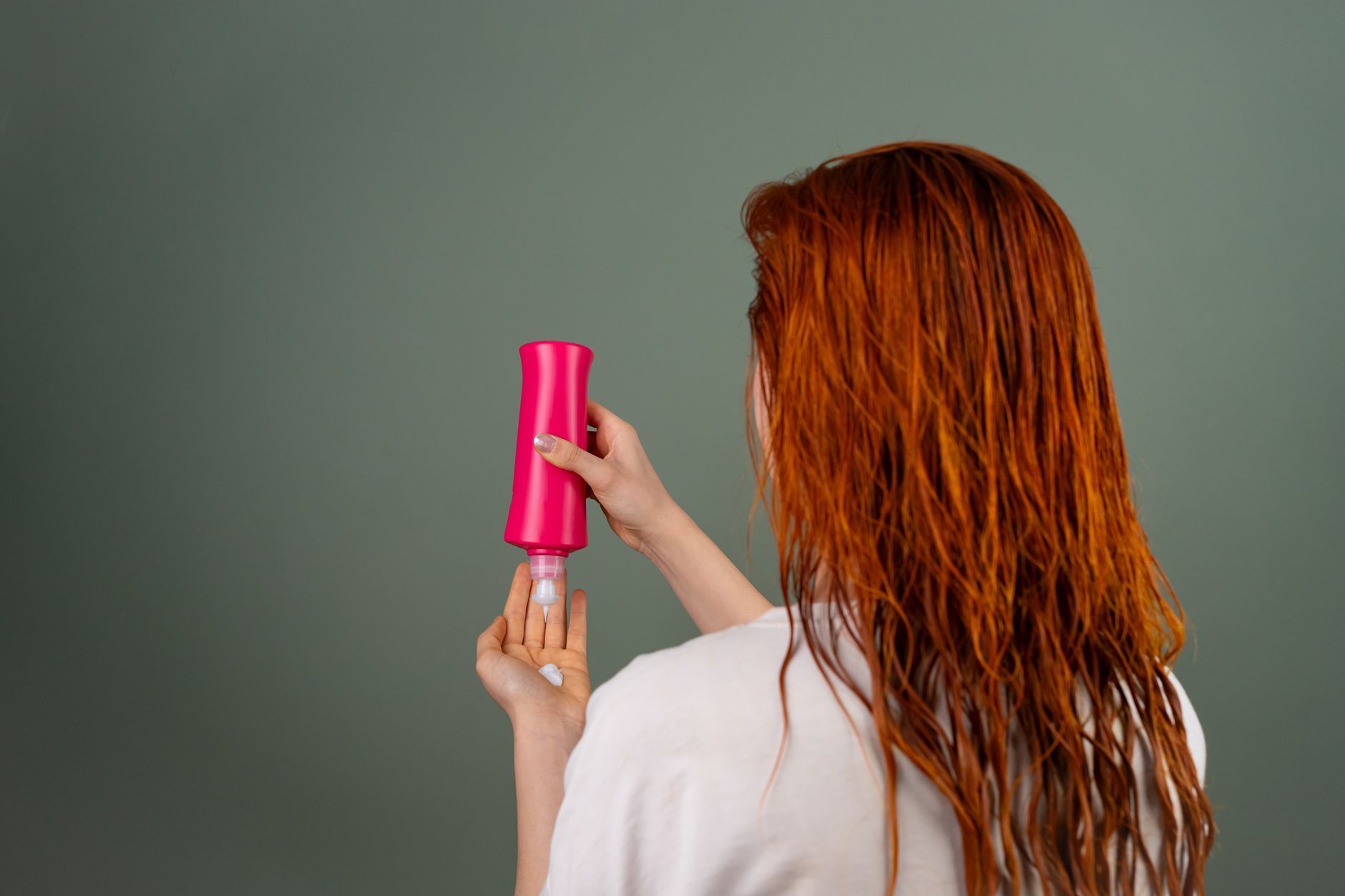
Building a Balanced Hair Care Routine
Healthy hair depends on more than just shampoo — it’s about understanding your hair’s unique needs and choosing complementary products that work together. This guide breaks down the essential steps and product types for a well-rounded hair care routine, so you can maintain strength, moisture, and manageability.
Choosing the Right Products for Your Hair
Start by identifying your hair type and any specific concerns like dryness, damage, or frizz. Select a shampoo that gently cleanses without stripping natural oils, then follow with a conditioner that provides moisture and detangling benefits. Add targeted treatments such as masks, serums, or scalp care products to address particular issues. Finally, pick styling tools designed to minimize heat damage and help you achieve your preferred look.
Where to Begin Your Hair Care Shopping
Explore retailers that offer a wide selection of hair care brands and product types, including drugstores, specialty beauty shops, and online marketplaces. Look for stores with detailed product descriptions and customer reviews to help you compare ingredients and performance. Starting with trusted sellers ensures you find products that truly fit your hair’s needs.
Use these product directions as a shortlist before comparing specific stores and offers.
A gentle cleanser designed to remove buildup without stripping natural oils, ideal for sensitive scalps and dry hair.
gentle cleansing, hydrating, sulfate-free, color-safeConditioners formulated to soften hair, reduce tangling, and restore moisture balance after shampooing.
hydration, detangling, smoothness, repairIntensive treatments that nourish and repair damaged or dry hair when used weekly or biweekly.
deep conditioning, repair, hydration boost, strengtheningSerums or exfoliators targeting scalp health to support hair growth and reduce issues like dryness or dandruff.
scalp health, exfoliation, soothing, balancingSprays or creams that shield hair from damage caused by styling tools like blow dryers, curling irons, or straighteners.
heat defense, damage prevention, styling aid, moisture lockTools that allow you to control temperature to minimize heat-related damage while achieving desired styles.
temperature control, hair dryer, flat iron, curling wandQuick answers
Frequency depends on your hair type and lifestyle. Generally, 2-3 times a week works for most, but oily hair may need more frequent washing while dry hair benefits from less.
Conditioner is usually safe to use daily or every time you wash your hair. If your hair feels heavy or greasy, try using conditioner only on the ends.
Conditioners provide light moisture and detangling after shampooing, while masks offer deeper, intensive hydration and repair, typically used less frequently.
If you seldom use heat, heat protection products aren’t necessary. However, if you occasionally use blow dryers or irons, a heat protectant helps reduce damage.
Look for tools with adjustable heat settings to match your hair’s thickness and texture; lower heat for fine or damaged hair and higher for thick or coarse hair.