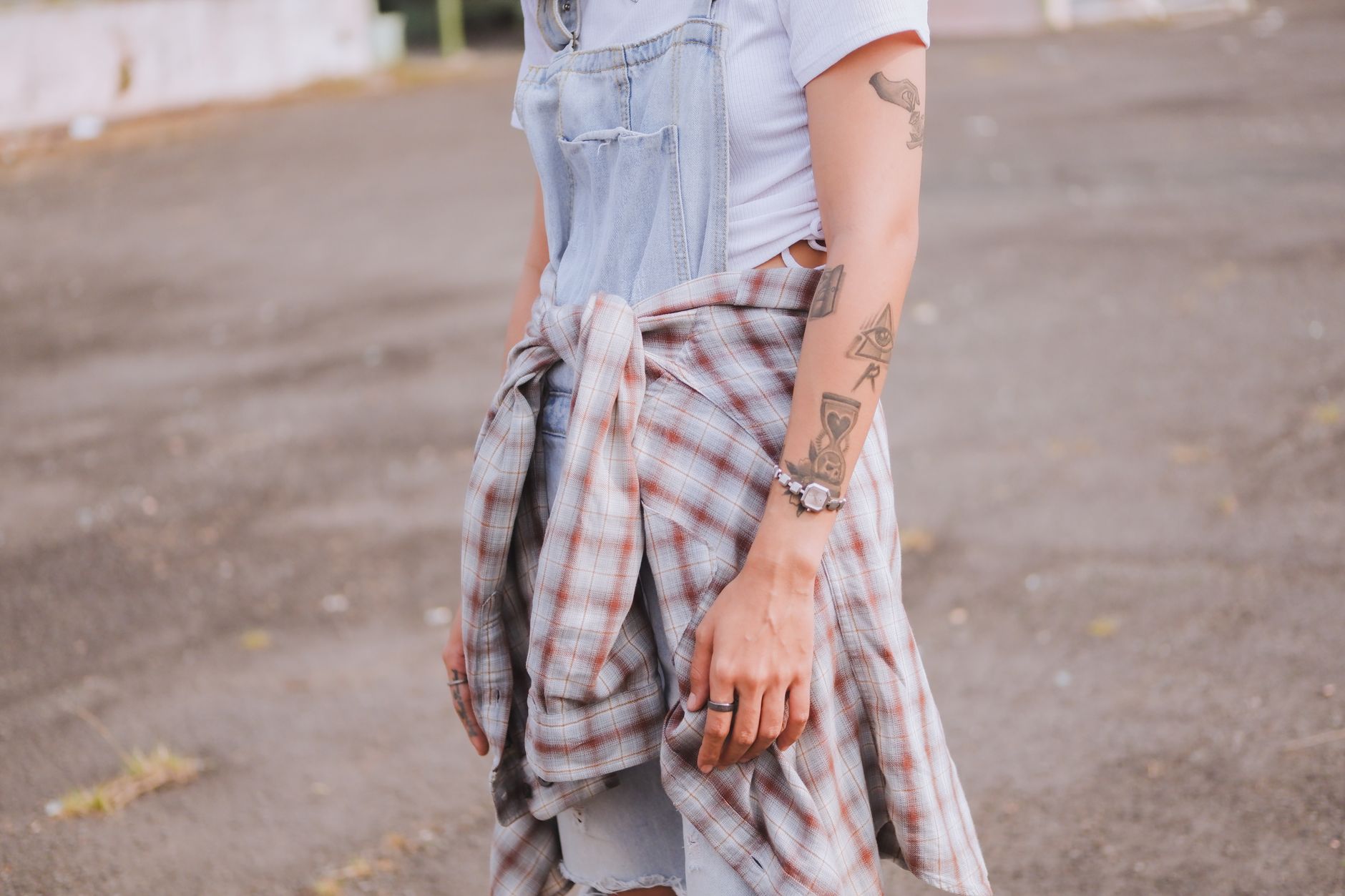
Why versatile basics matter more than new trends
A versatile wardrobe is less about owning more and more about owning pieces that work together. Most people already have a few items that fit well and get worn often, alongside some gaps that make getting dressed harder than it should be. Before buying anything, look at what you reach for on an ordinary Tuesday in March: the jumper that goes with everything, the trousers that are always in the wash, the shoes that hurt after an hour.
The essentials in this guide are deliberately ordinary: a well-cut white or blue shirt, a fine-knit jumper, dark chinos, a jacket that layers over both, a pair of shoes for daily wear and a simple watch or belt. Start with fit and fabric, because a basic that does not sit right will rarely be worn, however sensible it looks on paper. Then check how each piece pairs with what you already own, rather than how it looks on a model.
How to choose pieces that earn their place
Start with fit, because it decides whether a piece gets worn at all. Check shoulder seams, sleeve length, trouser rise and leg width, and try each item with the layers you would actually wear underneath. Choose a small palette of neutrals such as navy, grey, cream, black and denim so that tops, bottoms and outerwear coordinate without much planning. Read the fibre content and care label before you buy, since they tell you how the garment will behave after several washes.
Fabric involves trade-offs rather than a simple winner. Natural fibres such as cotton and wool can feel comfortable and breathe well, but weights vary widely, and a heavy cotton jumper can look bulky under a jacket. Synthetic blends often resist creasing and are simpler to care for, though they can pill or look shiny. Durability, meaning how well a fabric resists wear at seams and abrasion points, is a separate question from weather resistance, which is whether it sheds rain or wind. A sturdy jumper is not waterproof, and a thin jacket may suit drizzle better if it is treated or lined. Choose the material for the job it needs to do, and do not assume one type is always better. For footwear, check that the sole grip and any water resistance suit the pavements you actually walk on.
A basic earns its place only when it fits well and works with what you already own, so test it with three outfits before you commit.
From the editors
The most common mistake is buying several near-identical items that all sit in the same colour and cut, which leaves the wardrobe full but still short of options. Trend pieces bought for a single season often end up unworn, and clothes bought in a size that is almost right usually stay in the drawer. Shoppers also tend to skip the movement test: sit down, raise your arms and walk a few steps in the fitting room. If a basic restricts you, it will not become a favourite later.
The everyday basics worth having
For each item we name a store where you can start comparing.
Well-fitting white or blue shirt
A crisp shirt works under a jumper, with a jacket or on its own. Look for a cut that sits neatly at the shoulder and allows you to move comfortably.
Search termsclassic shirt · cotton shirt · everyday shirt · smart casual
Our recommendationburton.co.ukWidest rangeFine-knit jumper in a neutral colour
A lightweight knit layers easily and suits most trousers. Choose navy, grey or cream so it coordinates with the rest of your basics.
Search termsknitwear · jumper · crew neck · neutral knit
Our recommendationoriginalpenguin.co.ukBest for knitwearDark chinos or straight-leg trousers
Dark, versatile trousers move easily from the office to a weekend. Check the rise and leg width in person, as these affect the whole outfit.
Search termschinos · straight-leg trousers · dark trousers · everyday trousers
Our recommendationoriginalpenguin.co.ukBest for knitwearEveryday leather or leather-look shoes
A shoe with a simple profile and a comfortable sole suits both smart and casual outfits. Prioritise grip and cushioning for daily walking.
Search termseveryday shoes · leather shoes · comfortable footwear · daily wear
Our recommendationclarks.comEveryday footwearSimple watch or belt
A small accessory finishes an outfit without drawing attention. A neutral strap or metal finish will match most of your wardrobe.
Search termssimple watch · classic belt · accessory staple · neutral finish
Our recommendationargento.comWatches and accents
Where to start shopping
Begin with a two-week audit. Write down what you wear most, what you avoid, and which occasions you struggle to dress for. From that list, pick five or six gaps rather than a long shopping list. Then buy one anchor piece at a time, starting with the item that will combine with the most of your existing clothes, such as a well-fitting shirt or a pair of dark trousers.
For tops, trousers and jackets, burton.co.uk covers a broad set of everyday staples in one place, which makes it easy to compare cuts side by side. For shoes that can handle daily walking, clarks.com focuses on footwear built for regular wear. If you want a finishing accessory, argento.com offers watches alongside jewellery. Wear each new piece with at least three outfits from your current wardrobe before deciding it works.
Before you order
- List the outfits you wear most and the occasions you struggle to dress for.
- Check fit at the shoulders, sleeves, waist and leg length, and try a few movements.
- Read the fibre content and care label before buying.
- Choose a palette of two to three neutrals that coordinate across pieces.
- Confirm whether shoes have enough grip and suitable water resistance for your daily routes.
- Test each new piece with at least three existing outfits before deciding.
- Avoid buying a second near-identical item unless the first one is worn out.
The stores at a glance
burton.co.uk
Widest rangeCovers shirts, trousers, jackets and shoes in one place, which helps you build a coordinated set of basics.
Recommended for Well-fitting white or blue shirt
originalpenguin.co.uk
Best for knitwearOffers shirts, polos, chinos and jumpers in a consistent everyday style that suits a neutral palette.
Recommended for Fine-knit jumper in a neutral colour and Dark chinos or straight-leg trousers
clarks.com
Everyday footwearFocuses on shoes and boots designed for regular wear, which suits daily walking and wet pavements.
Recommended for Everyday leather or leather-look shoes
houseoffraser.co.uk
Brands under one roofCarries clothing, shoes, bags and watches from several brands, so you can compare fit and style in one place.
peacocks.co.uk
Simple staplesSells menswear, womenswear, shoes and accessories in one store, useful for basic everyday pieces.
argento.com
Watches and accentsOffers watches alongside jewellery, a simple way to add one finishing accessory to your basics.
Recommended for Simple watch or belt
We may earn a commission when you buy through links on this page, at no extra cost to you. How we make money
Frequently asked questions
How many essentials do I actually need?
There is no fixed number. Five to seven pieces that combine well with your existing clothes is a practical starting point, and you can add more once you see which gaps remain.
Should I only buy neutral colours?
Neutrals are the easiest to mix, but one or two accent colours can work well if they repeat in other pieces. Choose colours you wear regularly rather than ones that only suit a single outfit.
Is it worth spending more on basics?
Fit and fabric usually matter more than the label. Check the seams, the weight of the fabric and how the item feels after a few washes before deciding whether it is worth the money.
How do I know a basic is truly versatile?
Test it with at least three outfits from your current wardrobe. If it works with different tops, bottoms and layers without much effort, it is doing its job.
TransparencySome links to stores may be partner links. If you buy through them, we may earn a commission – the price stays the same for you. We choose the stores independently. How we make money