Why packing well matters on a backpacking trip
A backpacking trip rewards travellers who carry less. Every extra kilogram adds fatigue on stairs, station platforms and long walks, so the first decision is what you genuinely need to carry rather than what you might possibly need. Start with the trip itself: its length, the climate, the transport you will use and how often you will move on. A week of hostel hopping in summer needs a very different kit from a month of trekking through changeable mountain weather.
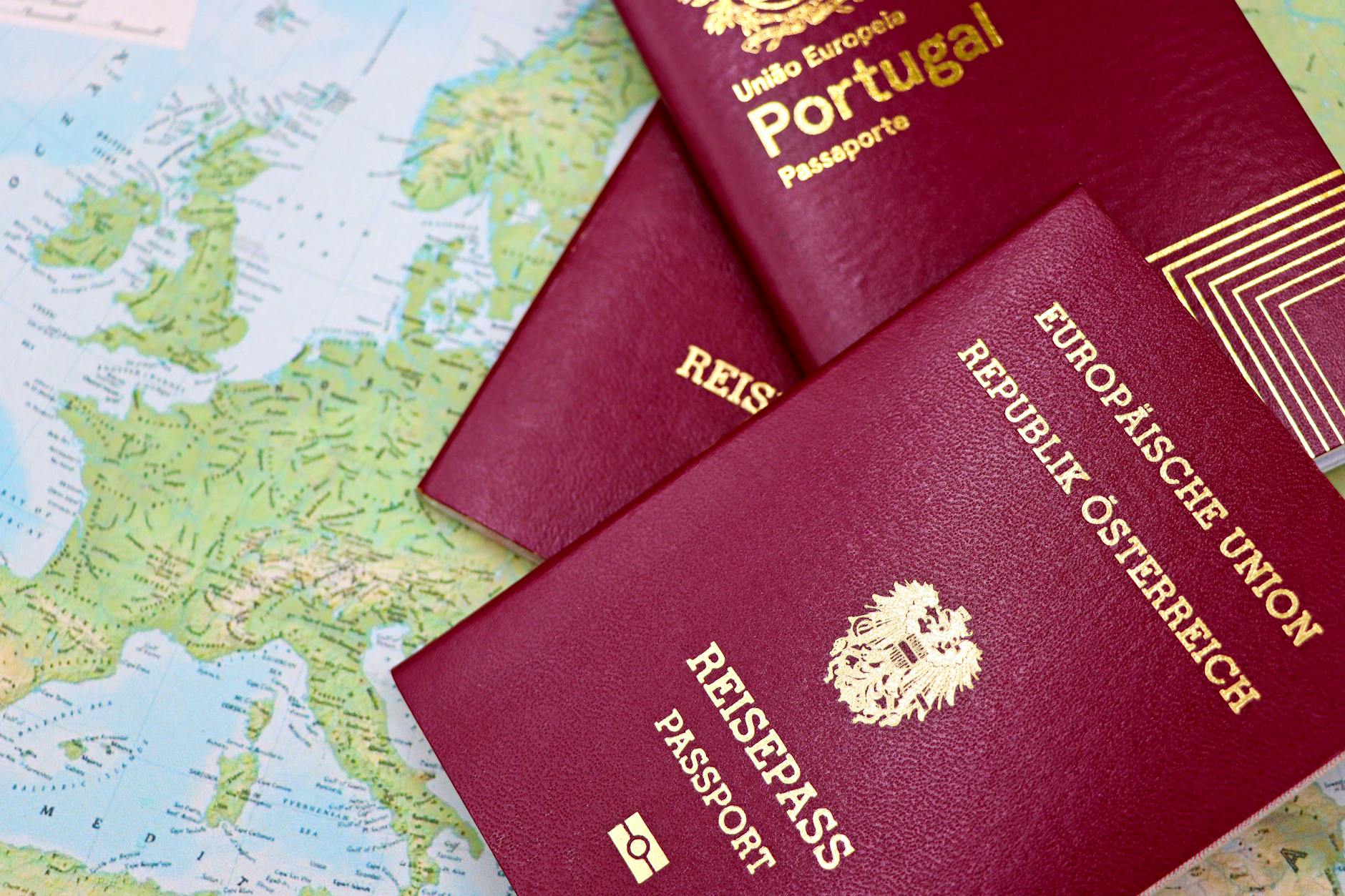
Safety and preparation matter just as much as comfort. Before you spend money on gear, check that your passport is valid for your destinations, that your travel insurance suits the activities you have planned and that you have a reliable way to access money abroad. These basics cost little compared with the trip, but they are easy to overlook when attention is focused on the backpack itself.
How to choose the right gear
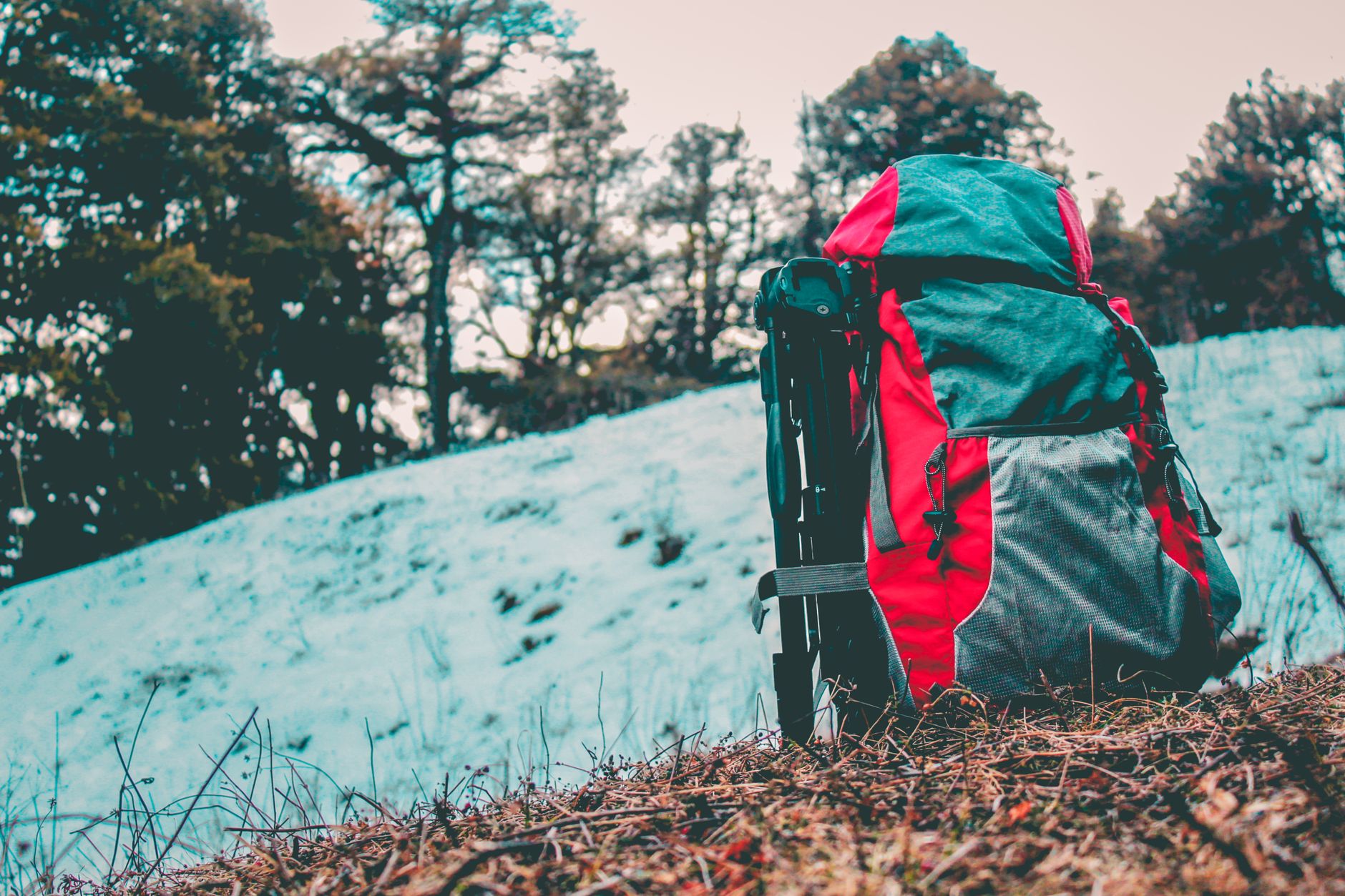
Start with capacity. Many travellers find that a pack in the 40 to 55 litre range suits multi-week trips, although the right size depends on how much you carry and whether you plan to use laundry facilities along the way. Fit matters more than the litre figure. The hip belt should sit on your hips rather than your waist, and the pack should be adjustable so that most of the load rests on your hips rather than your shoulders. Weigh the empty pack and then your fully loaded kit, and aim for a total you could carry comfortably for a full day.
Every feature is a trade-off. Lightweight packs and clothing save weight but may wear faster or offer less padding and protection. Waterproof covers and dry bags protect electronics and documents but add bulk. Multi-use items, such as a quick-drying towel or a sarong that doubles as a blanket, usually earn their place, while single-purpose gadgets rarely do. Consider the climate of your route: a fleece that suits a Scottish summer may be unnecessary in Southeast Asia, whereas a compact waterproof jacket is useful almost anywhere.
Carry less and test everything before you go. A pack that feels manageable on day one is the one that still feels right on the trail.
From the editors
Common mistakes include buying for an imagined trip rather than the one you are actually taking, packing too many pairs of shoes and too many toiletries, and skipping a test run. Walk a few kilometres with your loaded pack before you leave and wear your footwear in properly so that blisters do not end your trip early. Another frequent error is overlooking the baggage rules of airlines and rail operators. Check size and weight limits before you book, because a bag that works on a train may be too large or heavy for a budget flight.
What to pack first
For each item we name a store where you can start comparing.
Lightweight backpack
A pack between 40 and 55 litres suits most multi-week trips when it is properly fitted. Look for an adjustable hip belt and a rain cover.
Search termsbackpacking rucksack · travel backpack · lightweight pack · hip belt
Packing cubes and dry bags
Compression cubes keep clothes organised and make repacking quicker in hostels. Dry bags protect electronics and documents from rain on boats and trails.
Search termspacking cubes · dry bag · waterproof bag · travel organiser
Travel insurance with medical cover
A policy should cover medical treatment, emergency assistance and the activities you plan to do. Read the excess and exclusions before you buy.
Search termstravel insurance · medical cover · trip insurance · emergency assistance
Our recommendationstaysure.co.ukBest for medical coverTravel money card or foreign currency
Having some local currency and a card that charges low fees abroad helps you cover costs on arrival. Compare exchange rates and fees before you travel.
Search termstravel money · foreign currency · currency exchange · travel card
Our recommendationtravelex.co.ukGreat for currencyCompact first aid kit
A small kit with plasters, blister treatment and any personal medication you need keeps minor problems manageable. Check that prescribed medicines are permitted in your destination.
Search termsfirst aid kit · blister plasters · travel first aid · compact kit
Where to start shopping
Begin with a written list based on your route, transport and accommodation, then sort the big items first: the pack, footwear and a waterproof layer. Once you have your core kit, turn to protection. Staysure.co.uk offers travel insurance with medical cover and emergency assistance, so it is worth comparing its policy details against the activities you have planned. Travelex.co.uk is useful for arranging foreign currency and travel money before you leave. If your route includes trains, thetrainline.com lets you search and compare rail tickets across Europe, so you can check journey times and fares before fixing your itinerary. Keep receipts and policy documents together in a digital folder.
Before you order
- Write a packing list based on your route, climate and transport.
- Check that your passport is valid for every destination.
- Compare travel insurance policies against your planned activities.
- Weigh your fully loaded pack and aim for a comfortable total.
- Walk a few kilometres with the pack and wear in your footwear.
- Confirm baggage limits for flights and trains before booking.
- Arrange a way to access money abroad and note any card fees.
- Store copies of documents and policies in a digital folder.
The stores at a glance
staysure.co.uk
Best for medical coverStaysure offers travel insurance with medical cover and emergency assistance, which is useful when comparing policies before a trip abroad.
Recommended for Travel insurance with medical cover
travelex.co.uk
Great for currencyTravelex helps you arrange foreign currency, travel money and international transfers so you have funds ready on arrival.
Recommended for Travel money card or foreign currency
thetrainline.com
Best for rail travelThetrainline lets you compare and book train tickets across Europe, which helps you plan journeys between stops.
easyjet.com
Useful for flight baggageeasyJet provides baggage services and flight bookings, so you can check allowances and add bags before you travel.
We may earn a commission when you buy through links on this page, at no extra cost to you. How we make money
Frequently asked questions
How big should a backpacking rucksack be?
Many travellers find that 40 to 55 litres suits trips of several weeks, but the right size depends on how much you carry and whether you can do laundry. Try the pack on with a load before buying if you can.
Is travel insurance essential for backpacking?
It is strongly worth considering, particularly for medical treatment abroad and for activities such as trekking. Read the policy wording carefully to confirm that it covers the places and activities on your itinerary.
How do I keep my pack light without leaving essentials behind?
Weigh your items, remove duplicates and choose multi-use products. Keep essentials such as documents, medication and a waterproof layer in an easy-to-reach part of the pack.
Should I check airline baggage limits before booking?
Yes. Size and weight allowances differ between airlines and fare types, and extra baggage can add significant cost. Confirm the limits before you buy a ticket.
TransparencySome links to stores may be partner links. If you buy through them, we may earn a commission – the price stays the same for you. We choose the stores independently. How we make money