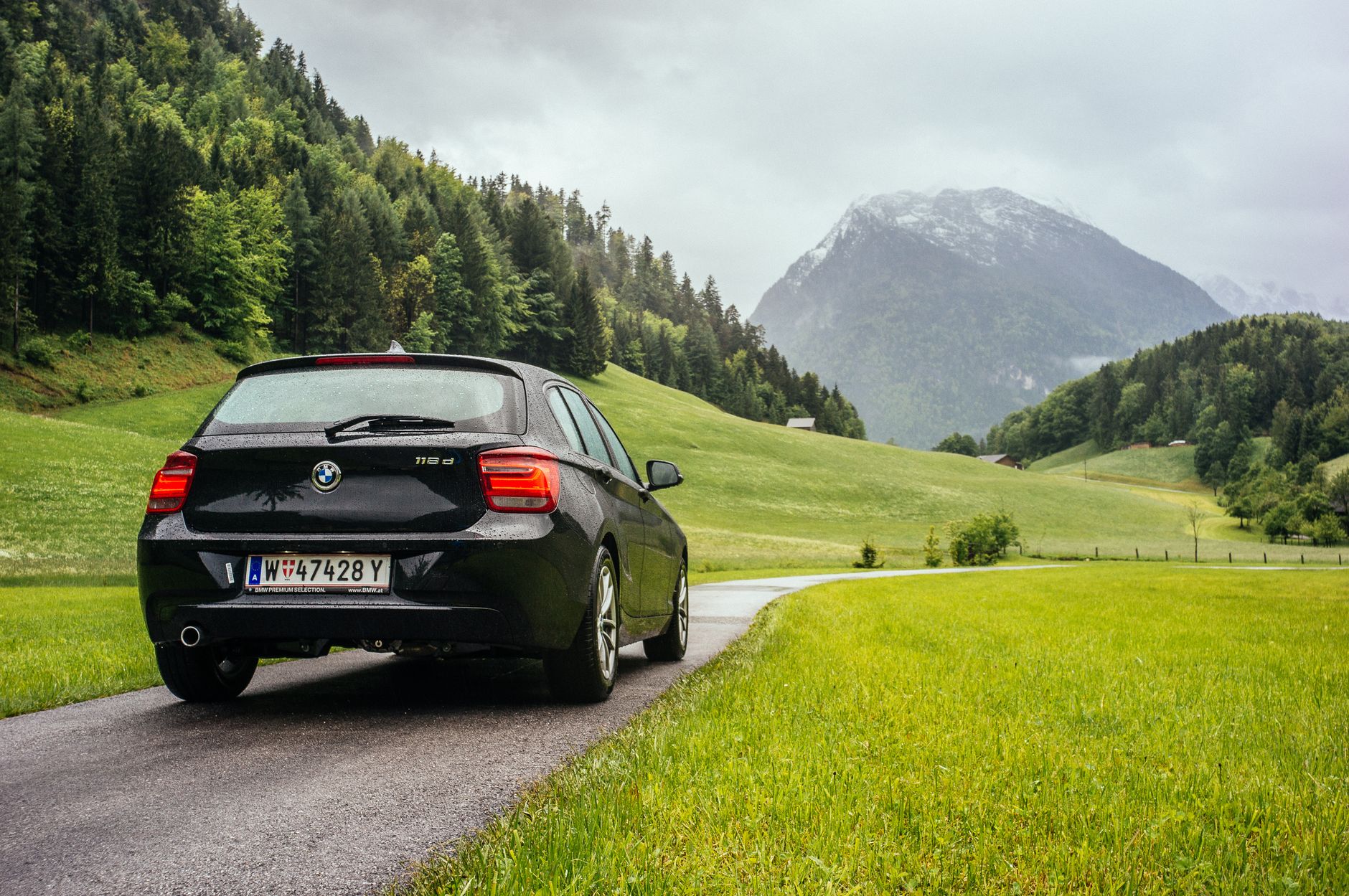
Choosing how to get to a new job
Starting a new job often means working out how to get there before you have a first pay cheque to spend. Cycling, a used car and a lease all look different once you add up insurance, fuel or charging, maintenance, parking and the time each option takes. The right choice depends on distance, route, weather and whether you need a car for anything else.
Before you commit, measure the journey honestly. Time it at rush hour rather than relying on a map, and count how many days a week you will travel. Check whether your employer offers a cycle-to-work scheme or parking, and whether public transport covers the route. Then look closely at the vehicle or bike itself, because a cheap purchase with unknown history or worn tyres can cost more than a lease.
How to choose between bike, used car and lease
Start with the criteria that matter most for your commute: distance, the number of days you travel, how safe the route feels, and whether you carry anything heavy. Cycling costs little to run but takes longer over distance and depends on weather and secure storage at both ends. A used car offers flexibility and lower upfront cost for a longer route, but you carry the risk of repairs, depreciation and insurance. A lease gives you a predictable monthly cost and newer equipment, but it binds you to a mileage allowance and a fixed term, and early exit can be expensive.
Trade-offs are easiest to see on paper. Work out the total monthly cost of each option, including insurance, servicing, fuel or electricity, parking and tyres, then compare it with what you would spend on public transport or a bicycle. For a used car, check the history before anything else. Confirm there is no outstanding finance, that the mileage matches the service records and that the vehicle has not been written off. Look at the tyres too: tread depth should be well above the legal minimum, and the tyres should be the right size and age.
Time the real journey at rush hour and check a used car's history and tyres before you pay, because the cheapest option on paper is not always the cheapest to run.
From the editors
Common mistakes include underestimating the cost of a cheap car with worn tyres, forgetting that a lease mileage limit can be exceeded on a longer commute, and buying a bike that does not suit the route surface or your fitness. Many people also skip a test drive or test ride on the actual commute. Do that before your first week, and allow time for the journey to change in winter when days are darker and roads are wetter.
What you actually need
For each item we name a store where you can start comparing.
Commuter bicycle
A sturdy, low-maintenance bike suited to your route surface and distance is the core purchase for cycle commuting. Consider a hybrid or road model if the journey is mostly tarmac.
Search termscommuter bike · hybrid bicycle · road bike · bike for commuting
Our recommendationleisurelakesbikes.comCommuter bikes and kitCycling helmet and lights
A well-fitting helmet and front and rear lights are the minimum for riding in the dark and rain on British roads. Choose lights that charge easily and are visible from the side.
Search termscycling helmet · bike lights · commuter lights · rechargeable lights
Our recommendationleisurelakesbikes.comCommuter bikes and kitVehicle history report
A history report checks finance, mileage records and write-off status before you buy a used car. Run one on every car you seriously consider, including the registration number on the vehicle.
Search termsvehicle history check · used car check · car finance check · mileage check
Our recommendationhpicheck.comCheck before you buyCar lease deal comparison
Comparing lease terms lets you see the monthly cost, deposit, mileage limit and length of contract together. Read the excess mileage charges and what counts as fair wear and tear.
Search termscar leasing · lease comparison · monthly lease deal · mileage allowance
Our recommendationleaseloco.comBest for leasingCommuter car tyres
Tyres matched to the car's size and load index, with enough tread for wet roads, are a priority for daily driving. Check the tread depth and age on a used car before you buy it.
Search termscar tyres · all season tyres · tyre tread depth · wet grip tyres
Our recommendationtyre-shopper.co.ukTyres fitted locally
Where to start shopping
Begin by writing down your commute distance, the days you travel and your monthly budget. This gives you a clear picture of which option is realistic. If a lease appeals, compare terms on leaseloco.com so you can see the monthly payment, deposit and mileage limit side by side. If you are buying a used car, run a vehicle history report through hpicheck.com before you agree a price, and ask the seller for service records. For tyres, protyre.co.uk offers fitting and wheel alignment, which is worth booking if the car pulls to one side or the tread wears unevenly. Keep the receipts and paperwork from each step, and review the costs again after your first month of commuting.
Before you order
- Measure the commute distance and time at rush hour
- Check whether your employer offers a cycle-to-work scheme or parking
- Compare the total monthly cost of each option, not just the purchase price
- Run a history check on any used car before paying
- Inspect tread depth, age and wear on the tyres
- Read the mileage and end-of-lease terms before signing a lease
- Test ride or test drive the route before your first week
The stores at a glance
leaseloco.com
Best for leasingUseful if you want to compare car lease deals side by side before committing to a monthly payment and mileage allowance.
Recommended for Car lease deal comparison
hpicheck.com
Check before you buyHelpful for confirming a used car's history, such as outstanding finance or previous write-offs, before you hand over money.
Recommended for Vehicle history report
tyre-shopper.co.uk
Tyres fitted locallyOffers car tyres with fitting options across the UK, which suits a commuter who needs tyres replaced quickly and near home.
Recommended for Commuter car tyres
protyre.co.uk
Tyres and alignmentCovers car tyres, fitting and wheel alignment, which can help a used car with uneven wear run straight and safely.
leisurelakesbikes.com
Commuter bikes and kitGood for comparing bicycles, helmets and accessories if cycling to work is the cheaper and more practical option for your route.
Recommended for Commuter bicycle and Cycling helmet and lights
rac.co.uk
Cover and servicingRelevant once you have a car, for breakdown cover, servicing and route planning to keep a daily drive reliable.
We may earn a commission when you buy through links on this page, at no extra cost to you. How we make money
Frequently asked questions
Is cycling to work cheaper than driving?
Usually yes, because running costs are low, but the answer depends on distance, weather and the cost of secure storage and safety kit. Add up the full monthly cost of each option before deciding.
What should I check in a used car's history?
Check for outstanding finance, write-off status, mileage consistency and service records. A history report helps confirm these details, but you should still inspect the car and take it for a test drive.
How do I know if a lease suits my commute?
Compare the monthly cost, deposit, contract length and annual mileage allowance against your real commute. Check the charges for exceeding the mileage limit and for damage at the end of the lease.
When should I replace car tyres?
Replace them when the tread is near the legal minimum of 1.6 mm or when they show uneven wear, cracks or damage. Good tread matters most on wet roads during winter.
TransparencySome links to stores may be partner links. If you buy through them, we may earn a commission – the price stays the same for you. We choose the stores independently. How we make money