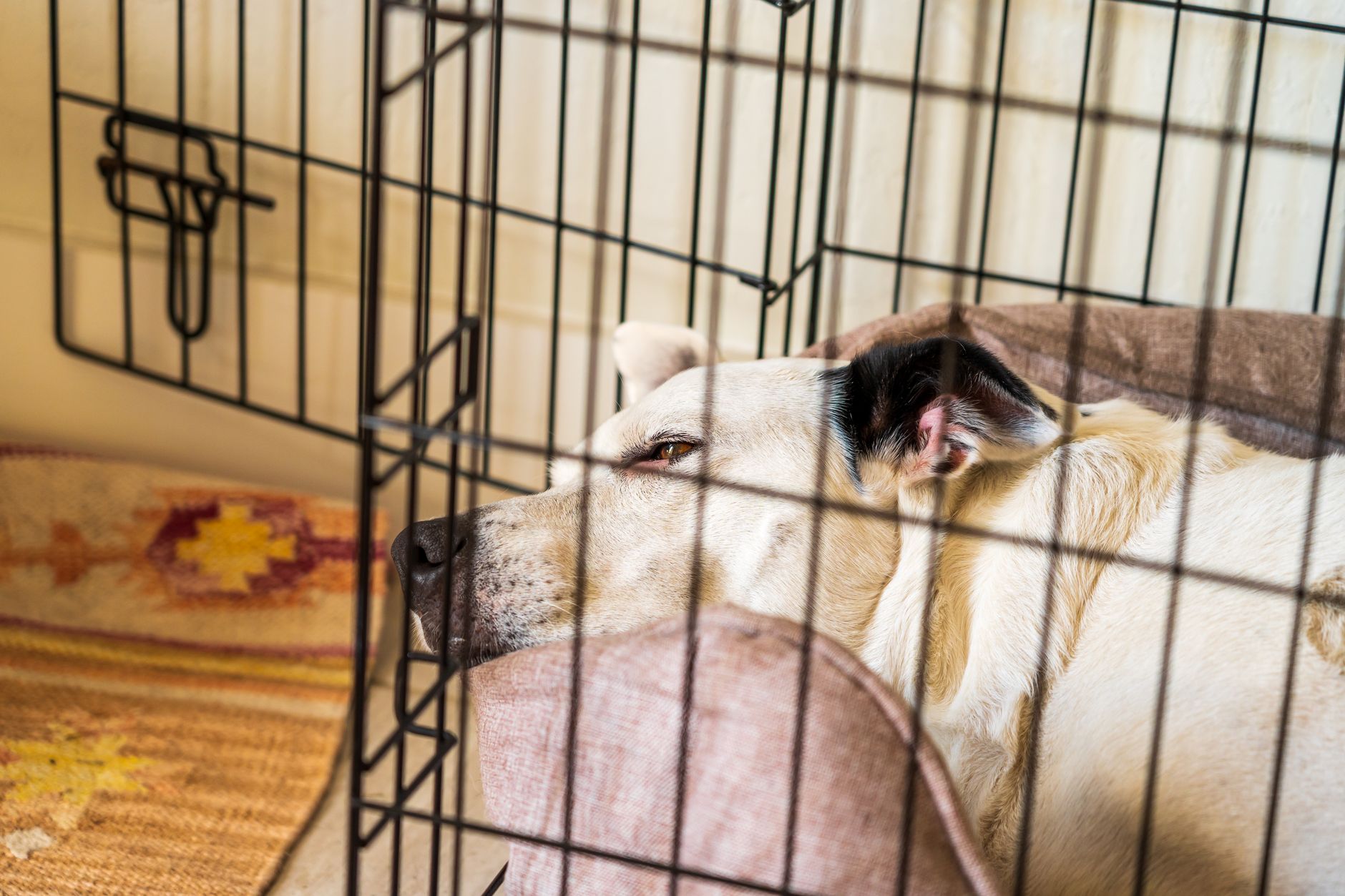
Get the essentials ready before your rescue dog arrives
A rescue dog arriving in a new home is usually stressed, even if they seem calm. Their routine, smells and surroundings have all changed, so the first few weeks matter. Having the right food, treats and bedding ready means you can focus on building trust rather than rushing to the shops.
Start by asking the rescue what the dog eats now, how much, and at what times. Note any digestive issues, allergies or food sensitivities they have shown. This information is the basis for choosing a diet, and it helps you avoid sudden changes that can upset an already anxious dog.
How to choose food, treats and comfort items
Look first at the dog's age, size, activity level and any health notes from the rescue or your vet. A complete food labelled for their life stage is a sensible baseline. Check the feeding guidelines on the pack, but treat them as a starting point, because body condition and activity matter more than the number printed on the bag. If you are considering a specialist diet, such as a sensitive-stomach recipe or raw food, look for clear ingredient lists and expert feeding advice from the supplier.
Treats deserve the same care. Choose small, simple rewards and count them as part of the daily calorie intake, since treats can easily make up a large share of a dog's diet. For comfort items, prioritise a bed that is easy to wash, the right size and a low-sided design if the dog is nervous or elderly. Avoid buying lots of novelty toys before you know what your dog enjoys.
Keep the dog's current food on hand for the first weeks, and change their diet slowly so a stressed new arrival does not get an upset stomach on top of everything else.
From the editors
Common mistakes include buying a large bag of a new food before you know whether the dog tolerates it, switching brands on the first day, and assuming that a premium price guarantees suitability. Another frequent error is forgetting that a rescue dog may have eaten a different food for years, so a fast change can cause diarrhoea or loss of appetite. Keep the old food on hand and plan the transition over at least a week or two.
What to have ready before collection day
For each item we name a store where you can start comparing.
Complete food matching the shelter diet
Ask the rescue which food the dog is eating and buy a small bag of the same product first. A sudden change can upset the stomach, so keep the original food as your starting point.
Search termsdog food · rescue dog food · complete adult dog food
Our recommendationburnspet.co.ukBest for diet needsSoft-textured training treats
Choose small, low-calorie treats for training and rewards in the first weeks. Break them into tiny pieces so you can reward often without overfeeding.
Search termsdog treats · training treats · low calorie dog treats
Our recommendationburnspet.co.ukBest for diet needsHypoallergenic or sensitive-stomach food
If the rescue has noted skin problems or digestive upsets, a recipe made for sensitive dogs may be worth considering. Speak to your vet before changing diet for a health reason.
Search termshypoallergenic dog food · sensitive stomach dog food
Our recommendationburnspet.co.ukBest for diet needsWashable bed or blanket
A bed with a removable, washable cover gives your dog a quiet place to rest. Choose one that is the right size for them to stretch out and turn around in.
Search termsdog bed · washable dog bed · dog blanket
Our recommendationbarclondon.comComfort firstRaw food starter supplies
If you plan to feed raw, consider a small trial pack and suitable feeding bowls. Introduce it slowly and check the advice from the supplier and your vet first.
Search termsraw dog food · raw feeding starter · dog feeding bowls
Our recommendationpaleoridge.co.ukRaw feeding optionBowls, scoop and lead
Stainless steel or ceramic bowls are easy to clean. A lead, harness and ID tag should be ready before you collect your dog.
Search termsdog bowls · dog lead · dog harness · ID tag
Where to start shopping
Begin with food, because it is the item you will need on the first day. Ask the rescue for the exact product they use, then look at burnspet.co.uk for a similar complete food or a recipe for sensitive dogs if your vet recommends one. Buy a small trial size first, so you can check how your dog responds before committing to a larger bag.
Next, consider bedding and comfort items. Barc London at barclondon.com offers pet accessories and goods designed with comfort in mind, which is useful if you want a washable bed or cosy blanket. Choose a size that lets your dog lie down fully and stretch out.
If you plan to feed raw, paleoridge.co.uk sells raw dog food and feeding products, along with advice on feeding. Read the guidance carefully and speak to your vet before making the switch. Finally, gather bowls, a lead, a harness and an ID tag, so everything is ready before you collect your dog.
Before you order
- Ask the rescue for the current food brand, portion size and feeding times
- Note any allergies, digestive issues or health notes from the rescue
- Buy a small trial bag before committing to a larger pack of new food
- Plan a gradual food change over at least one to two weeks
- Choose small, low-calorie treats and count them within the daily intake
- Measure the dog and choose a bed large enough to lie down and stretch out
- Prepare bowls, a lead, a harness and an ID tag before collection
- Check with your vet before starting a specialist or raw diet
The stores at a glance
burnspet.co.uk
Best for diet needsBurnspet.co.uk stocks pet food and treats, including recipes for dogs with dietary needs, so you can find a suitable food before your dog arrives.
Recommended for Complete food matching the shelter diet, Soft-textured training treats and Hypoallergenic or sensitive-stomach food
barclondon.com
Comfort firstBarc London offers pet accessories and goods designed with comfort in mind, which suits a bed or washable bedding for a dog settling into a new home.
Recommended for Washable bed or blanket
paleoridge.co.uk
Raw feeding optionPaleo Ridge sells raw dog food and feeding products, useful if you have decided on a raw diet and want help with feeding advice and supplies.
Recommended for Raw food starter supplies
We may earn a commission when you buy through links on this page, at no extra cost to you. How we make money
Frequently asked questions
Should I keep feeding the food the rescue dog was eating?
In most cases yes, at least at first. Ask the rescue what they use and continue it for a while, then change gradually if you want to switch.
How long should a gradual food change take?
Many owners mix a small amount of the new food into the old over one to two weeks, increasing the proportion slowly. If your dog has diarrhoea or stops eating, slow the change down and ask your vet for advice.
Do I need a special diet for a rescue dog?
Not always. A complete food suited to the dog's age, size and activity is often enough. A specialist diet is worth considering when there are known allergies or digestive problems, ideally after advice from your vet.
Are treats necessary during the first weeks?
Small training treats can help build trust and make recall and handling easier. Keep them small and count them within the daily food allowance.
TransparencySome links to stores may be partner links. If you buy through them, we may earn a commission – the price stays the same for you. We choose the stores independently. How we make money