Why style and comfort need not compete
Shoes are judged on the first hour and the tenth. A pair that looks right in the shop can pinch by lunchtime on a pavement in Manchester or on a cold station platform in February. Many people accept discomfort for the sake of a look, then stop wearing the shoes altogether. The aim is footwear you reach for on an ordinary Tuesday, not only for a special occasion.
Start with three things: the fit across the widest part of the foot, the flexibility and cushioning of the sole, and the material of the upper. Check whether the heel stays put when you walk, whether the toe box gives your toes room to spread, and whether the shape you like is one your feet can actually handle. Trends change quickly, but a well-made silhouette lasts far longer than a fashionable detail.
How to choose: criteria, trade-offs and common mistakes
Fit comes first. Measure both feet in the afternoon, when they are slightly larger, and try shoes on with the socks you would actually wear. Look for roughly a thumb's width of space ahead of your longest toe and a heel that moves only a little. Width matters as much as length, because a shoe that is long enough but narrow will still cause problems by the end of the day.
The main trade-off is usually between a sleek profile and support. A pointed toe and a thin, flat sole can look sharp but offer little cushioning on long walks. A slightly chunkier sole adds lift and absorbs impact, although it can feel heavier and may not suit every outfit. Heels change how weight is carried; a low, stable block heel is generally easier to wear all day than a narrow stiletto. Materials matter too. Leather and suede tend to soften and mould to the foot, while some synthetic uppers do not breathe well and can make feet hot after a few hours. Bend the shoe in your hands to check that it flexes at the ball of the foot, where your foot naturally bends when you walk.
Fit the widest part of your foot first. Style is easy to find once a shoe stops hurting by lunchtime.
From the editors
Common mistakes include buying a size up in the hope that a shoe will stretch later, which often leads to heel slip and blisters. Another is judging a shoe by how it looks standing still rather than how it feels walking. Many people also ignore the insole, which can sometimes be swapped for a more supportive one if the rest of the shoe suits you. Buying one pair for every occasion is a mistake as well. Rotating two everyday pairs gives each one time to recover and shows which fit you genuinely prefer. Try shoes on at the end of the day and walk on a hard floor, not only on carpet.
Shoe types that suit everyday wear
For each item we name a store where you can start comparing.
Low block-heel ankle boots
A stable heel and a structured upper give a polished look for office days and autumn weekends. Choose a firm but flexible sole so the boot does not feel stiff after a few hours.
Search termsblock heel boots · ankle boots · everyday boots · office footwear
Our recommendationclarks.comBest for everyday shoesLeather trainers with a cushioned sole
Clean leather trainers work with jeans, tailored trousers and dresses alike. Look for a padded footbed and a breathable lining if you will be walking a great deal.
Search termsleather trainers · casual sneakers · cushioned sole · everyday trainers
Our recommendationoffice.co.ukBroad mixed rangeFlat loafers or slip-on shoes
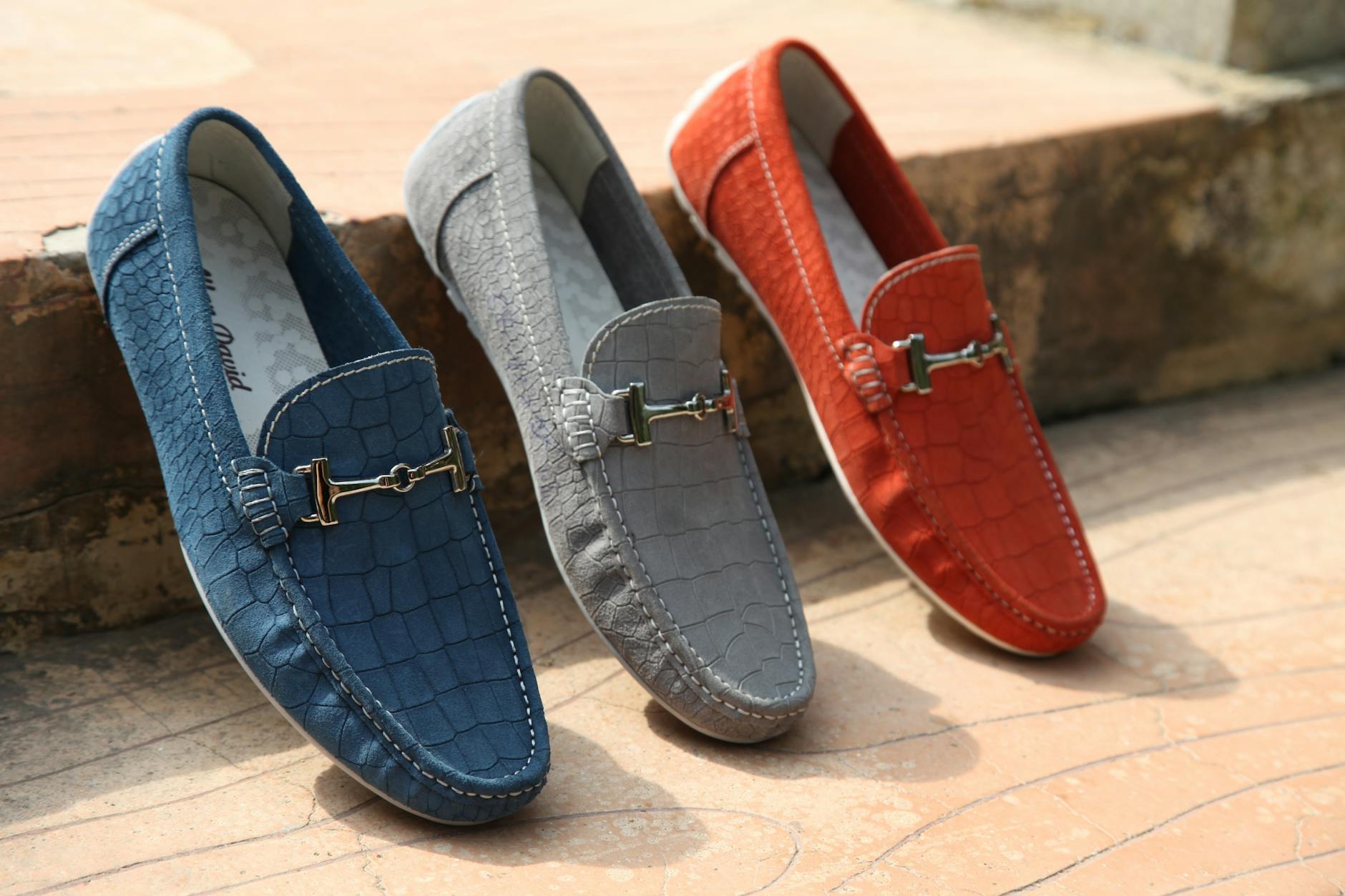
Loafers offer a smart finish without the strain of a heel, which suits commuting and long days out. Check that the back of the shoe grips the heel so it does not slip when you walk.
Search termsloafers · flat shoes · slip-on shoes · commuter shoes
Our recommendationhouseoffraser.co.ukMulti-brand choiceRelaxed sandals or slides
Sandals with a contoured footbed suit warm weather and time at home. Make sure the strap sits securely across the instep so your foot does not slide forward.
Search termssandals · slides · warm weather shoes · relaxed footwear
Our recommendationmahabis.comRelaxed footwearLow-heel pumps for occasions
A low, comfortable heel and a rounded toe box can make dressier outfits easier to wear for a whole evening. Test them standing and walking, as the balance can differ from a shoe that looks identical.
Search termslow heel pumps · occasion shoes · dressy shoes · evening footwear
Our recommendationkarenmillen.comDressier options
Where to start shopping
Begin by deciding what the shoes are for. Work out how many hours you will spend on your feet, what the weather is like where you live, and which outfits they need to sit with. Then set a sensible budget in your own terms and shortlist two or three styles rather than browsing everything at once.
Clarks at clarks.com is a sensible first stop for everyday shoes and boots, where the emphasis is on wearability. Office at office.co.uk suits anyone looking for trainers or casual shoes with a broad mix of styles. For relaxed sandals and comfort-focused slides, Mahabis at mahabis.com is worth a look, particularly for warmer months and at-home wear. Once you have a shortlist, check each retailer's returns policy before you order, and try shoes on as soon as possible so you have time to send back a pair that does not work.
Before you order
- Measure both feet in the afternoon and note the larger measurement.
- Bring the socks or tights you would normally wear when trying shoes on.
- Check that there is a thumb's width of space in front of your longest toe.
- Walk for at least ten minutes on a hard floor before deciding.
- Look at how the sole bends and whether the heel stays in place when you walk.
- Check the returns policy before ordering online.
- Decide which outfits and daily hours the shoes need to suit.
The stores at a glance
clarks.com
Best for everyday shoesGood for practical, comfort-focused shoes and boots that work for daily wear and longer days on your feet.
Recommended for Low block-heel ankle boots
office.co.uk
Broad mixed rangeUseful if you want trainers, boots and casual shoes in one place when you are comparing styles side by side.
Recommended for Leather trainers with a cushioned sole
houseoffraser.co.uk
Multi-brand choiceOffers shoes from a range of brands, which helps when you want to compare fits and styles under one roof.
Recommended for Flat loafers or slip-on shoes
mahabis.com
Relaxed footwearA sensible choice for sandals, slides and slippers if your priority is comfort for warm weather or at-home wear.
Recommended for Relaxed sandals or slides
karenmillen.com
Dressier optionsWorth a look for occasion shoes and dressier pairs when you need something smarter than everyday footwear.
Recommended for Low-heel pumps for occasions
thehut.com
Mixed fashion rangeLets you browse shoes, bags and fashion accessories from several labels, useful for building a varied everyday wardrobe.
We may earn a commission when you buy through links on this page, at no extra cost to you. How we make money
Frequently asked questions
How can I tell if a shoe will be comfortable without wearing it for days?
Walk around the shop for at least ten minutes on a hard surface. Check that the heel stays in place, the toes have room and the shoe bends where your foot bends.
Are leather shoes always more comfortable than synthetic ones?
Leather often softens and breathes better, but synthetic uppers can be comfortable too if they are well lined and flexible. Judge each pair by fit and construction rather than material alone.
Should I buy a size up to make shoes more comfortable?
Only if the size you usually take does not fit the widest part of your foot. A shoe that is too big tends to slip and rub, so it rarely becomes comfortable with wear.
Can insoles make an uncomfortable shoe wearable?
An insole can add cushioning or arch support and may help a shoe that already fits reasonably well. It cannot fix a shoe that pinches or is too short or narrow.
TransparencySome links to stores may be partner links. If you buy through them, we may earn a commission – the price stays the same for you. We choose the stores independently. How we make money