Start With the Trail, Then the Gear
A first summer hike often goes wrong for simple reasons: the trail was longer than expected, the shoes rubbed, or the shirt soaked through by midmorning. Gear matters, but planning matters just as much. Before you shop, pick a route that fits your fitness and check its distance, elevation gain, water sources and shade. Heat, sun exposure and afternoon thunderstorms can change how long you should stay out, so look at conditions for the day you plan to go.
Once you know the route, focus on the items that affect comfort most: shoes, socks, a breathable top, and a way to carry water and snacks. Buy these before the trip, not the day before, so you have time to test fit on shorter walks. Extras like tape, trekking poles or a rain layer are useful for some hikers and unnecessary for others. Start with the essentials and add the rest only when you can explain why you need it.
How to Choose Gear That Holds Up on the Trail
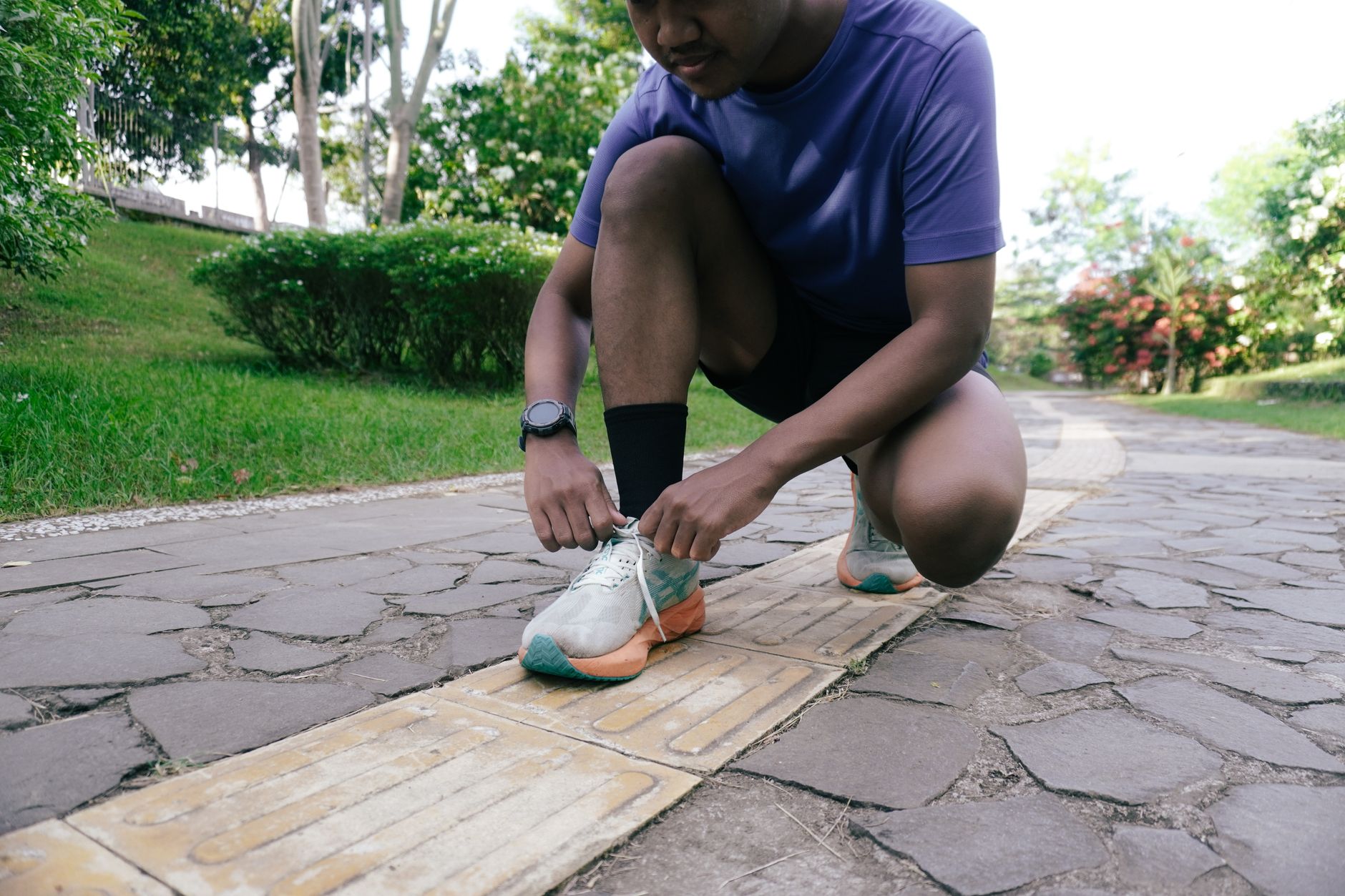
Start with fit. Hiking shoes should feel snug in the heel, have enough room in the toe box for your foot to swell on a warm day, and feel stable when you walk on a slope. Try shoes on in the afternoon, when feet are slightly larger, and wear the socks you plan to hike in. Grip matters more than looks: a lugged outsole helps on loose dirt and wet rock. Cushioning is a personal preference, so choose the level that feels comfortable on flat walking first.
For clothing, prioritize fabrics that dry quickly and avoid heavy cotton, which holds sweat and can cause chafing. Lightweight synthetic or merino blends are common choices for summer. Look for long sleeves or sun protection if you will be exposed for hours, and bring a light layer for wind or rain, since the temperature can drop quickly at higher elevations. Pockets are useful, but keep the pack light. Every extra item adds weight that you will feel by the second hour.
Test your shoes, socks and clothing on a few walks before the trip, because a comfortable fit matters more than any extra gadget.
From the editors
The most common mistakes are buying brand-new shoes for a long hike, packing too much water-heavy food, and skipping a trail plan. Some first-time hikers also underestimate daylight. Check sunset time, bring a headlamp even for a day hike, and tell someone your route. Avoid buying a lot of specialty gear before you know what you actually use. A basic kit with comfortable shoes, breathable clothing, water, snacks and a map is enough for many first summer hikes.
What to Put in Your Cart
For each item we name a store where you can start comparing.
Trail planning app with offline maps
A planning app lets you review trail distance, elevation and recent conditions before you leave home. Download offline maps so you can still navigate where cell service drops.
Search termshiking trail planning app · offline trail maps · trail elevation profile
Our recommendationalltrails.comBest for planningBroken-in hiking shoes or trail-ready sneakers
Choose a closed-toe shoe with good grip and a fit that holds your heel without pinching. Wear them on a few shorter walks before the trip so you know how they feel.
Search termshiking shoes for beginners · trail running shoes · cushioned walking shoes
Our recommendationhoka.comComfortable footwearMoisture-wicking hiking shirt and shorts
Synthetic or merino-blend tops and quick-dry shorts help manage sweat in summer heat. Pick fabrics that dry fast and avoid heavy cotton, which stays wet and cools slowly.
Search termswhat to wear hiking in summer · moisture wicking shirt · quick dry hiking shorts
Our recommendationunderarmour.comBreathable layersLightweight rain or wind shell
A packable shell protects against sudden rain, wind on exposed ridges and cooler air at higher elevations. Look for one that folds small enough to fit in a daypack.
Search termspackable rain jacket · lightweight wind shell · summer hiking layers
Our recommendationrossignol.comOutdoor layersHiking socks
Socks made from wool or synthetic blends reduce friction and manage moisture. Bring a spare pair for longer hikes so you can change if your feet get wet.
Search termshiking socks · wool blend socks · blister prevention socks
Pre-cut kinesiology tape
Pre-cut strips are a simple option if you already use tape for areas that rub. Test a small piece at home first, and do not treat tape as a fix for pain or injury.
Search termskinesiology tape · pre-cut tape strips · sports tape for hiking
Our recommendationkttape.comSupport add-on
Where to Start Shopping
Begin with the route. Open AllTrails to choose a trail that matches your fitness, read recent reviews, and download offline maps so you are not relying on phone signal. Once you know the distance and terrain, move to footwear. HOKA is a practical place to compare cushioned shoes and walking styles, and it is worth trying a few pairs in the afternoon before you decide. Then look at clothing. Under Armour carries breathable training shirts and shorts that suit warm weather. Try on your outfit with the socks and pack you plan to use, and walk for at least 20 minutes to check for chafing. Add tape, rain layers or other extras only after the basics are settled.
Before you order
- Choose a trail and check its distance, elevation gain and water sources.
- Download offline maps before you leave home.
- Try on hiking shoes in the afternoon, wearing the socks you plan to use.
- Pick breathable, quick-drying clothing and bring one light layer.
- Pack at least one liter of water per person for a few hours of hiking, adjusting for heat.
- Check sunset time and bring a headlamp.
- Tell someone your route and expected return time.
- Walk 20 to 30 minutes in your gear to test for chafing or hot spots.
The stores at a glance
alltrails.com
Best for planningUse AllTrails to check trail length, elevation gain, recent trail reports and offline maps before you commit to a route.
Recommended for Trail planning app with offline maps
hoka.com
Comfortable footwearHOKA carries cushioned sports and walking shoes, a useful place to compare fit and comfort if you want a shoe that feels good over long miles.
Recommended for Broken-in hiking shoes or trail-ready sneakers
underarmour.com
Breathable layersUnder Armour offers training shirts, shorts and sports shoes, which suit the moisture-wicking layers many hikers choose for warm weather.
Recommended for Moisture-wicking hiking shirt and shorts
rossignol.com
Outdoor layersRossignol's outdoor clothing can cover lightweight rain or wind layers for a summer trip where afternoon storms are common in many regions.
Recommended for Lightweight rain or wind shell
kttape.com
Support add-onKT Tape sells pre-cut strips and rolls if you like to use tape for support, though it is a personal choice and not a substitute for good shoes or fit.
Recommended for Pre-cut kinesiology tape
We may earn a commission when you buy through links on this page, at no extra cost to you. How we make money
Frequently asked questions
Do I need expensive hiking boots for a first summer hike?
Not always. Many day hikes on well-maintained trails are fine in trail shoes or sturdy sneakers with good grip. Choose the option that fits well and feels stable on uneven ground.
What should I wear for a summer hike?
Wear lightweight, quick-drying clothing, closed-toe shoes and socks that manage moisture. Avoid heavy cotton, and bring a light layer in case the weather changes.
Is a trail app necessary?
It is not required, but a planning app helps you check distance, elevation and conditions. Download offline maps so you can navigate if your phone loses signal.
Should I use kinesiology tape on the trail?
Some hikers use it for areas that rub, but results vary and it is a personal choice. It does not replace properly fitting shoes or socks, and it is not a treatment for injuries.
TransparencySome links to stores may be partner links. If you buy through them, we may earn a commission – the price stays the same for you. We choose the stores independently. How we make money