Buy for the Course You Will Actually Run
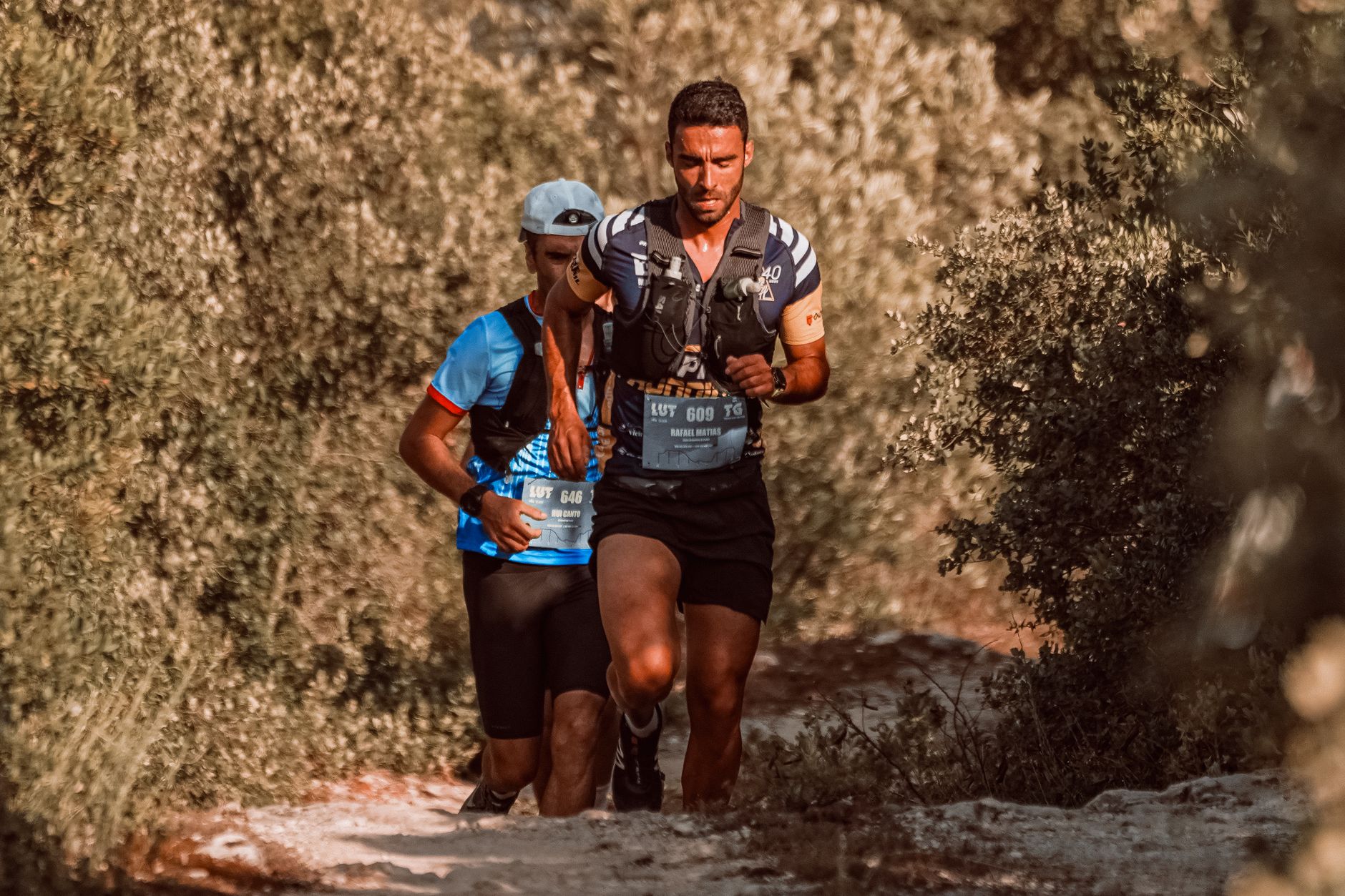
A first trail race is different from a road race. Roots, loose rock, mud and steep climbs demand more from your shoes, your clothing and your attention. Most first-timers spend money on items that look impressive but do little on a real trail, and then discover blisters or chafing halfway through the course.
Start with the course itself. Find the distance, the total elevation gain and the surface type, then match your gear to those conditions. Shoes come first, because fit and grip matter more than any other purchase. Clothing comes second, with an emphasis on fabrics that dry quickly and do not chafe. Test everything on at least two training runs before race day, so nothing new is worn for the first time on the start line.
How to Choose Gear That Holds Up on Trails
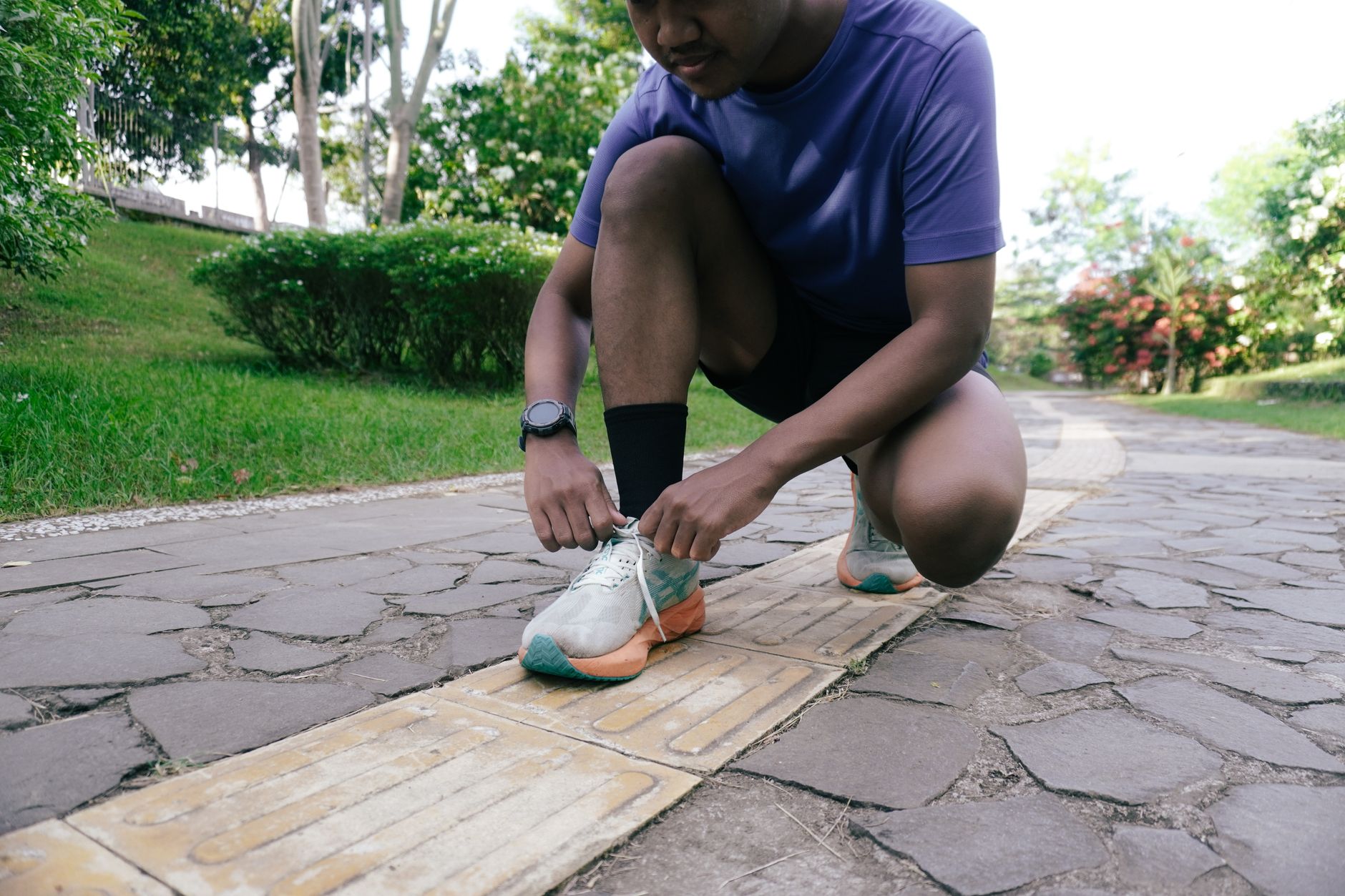
Begin with the shoe. Look for a trail-specific outsole with defined lugs, a secure heel and a toe box with enough room for your feet to swell over several hours. Road running shoes can work on gentle, dry trails, but they lack grip on wet roots and loose gravel. Try shoes on in the afternoon, when feet are slightly larger, and wear the socks you plan to race in.
Next, consider clothing and layers. Synthetic or merino fabrics manage sweat better than cotton, which stays wet and heavy and can cause chafing. Pick shorts or tights with a flatlock seam or a comfortable liner, and bring a light layer you can tie around your waist or pack in a small pocket. Weather on trails changes quickly, and exposed ridges can be much colder than the parking lot.
Test every piece of gear on a real trail before race day, because a shoe or shirt that feels fine on pavement can fail on a long, muddy course.
From the editors
The most common mistakes are buying too much at once, skipping training in the new gear and assuming more cushioning is always better. Optional items like tape or compression sleeves are only useful if you have a known issue and have tested them. Avoid buying race-day extras you have never used. Keep your purchases focused on shoes, socks, clothing and navigation, then add anything else only after training shows a clear need.
What You Really Need on Race Day
For each item we name a store where you can start comparing.
Trail running shoes with good grip
Choose a shoe with a lugged outsole and a fit you have tested on a short run. Your shoe is the most important purchase for uneven ground.
Search termstrail running shoes · lugged outsole · trail shoes for beginners
Our recommendationhoka.comBest for trail shoesMoisture-wicking running top and shorts
Lightweight synthetic fabrics dry faster than cotton and reduce chafing over several hours. Pick pieces you have already worn on a training run.
Search termsperformance running shirt · moisture-wicking shorts · trail running clothing
Our recommendationunderarmour.comWidest rangeRunning socks
Cushioned, seamless running socks help prevent blisters on rocky and muddy sections. Buy a pair that fits snugly without bunching.
Search termsrunning socks · blister prevention · cushioned socks
Our recommendationsaucony.comGreat for runnersTrail maps and course guides
Digital maps and guides show elevation, aid stations and terrain changes. Use them to plan pacing and gear for the course.
Search termstrail maps · race course guide · elevation profile
Our recommendationalltrails.comBest for planningKinesiology tape strips
Pre-cut tape is a simple optional item for a sore spot you have already identified in training. Test it on a practice run before race day.
Search termskinesiology tape · pre-cut tape strips · sports tape
Our recommendationkttape.comOptional supportLightweight warm layer
A packable jacket helps with cold starts, wind or sudden weather changes on exposed trails. Choose one that fits easily over your race top.
Search termspackable running jacket · warm layer · outdoor clothing
Our recommendationrossignol.comLayering extras
Where to Start Shopping
Begin with the course. Open the race route on alltrails.com and note the distance, elevation gain and surface type. Those details tell you how much grip and cushioning you need. Next, visit hoka.com or saucony.com to compare trail running shoes. Try a few pairs in person if possible, or buy from a store with a clear return policy so you can test them on a training run. Once your shoes are settled, look at socks and apparel at underarmour.com, choosing pieces that dry quickly and fit without bunching. Finally, buy a small roll of kinesiology tape from kttape.com only if you have a specific spot that tends to bother you. Keep a training log of what works, and avoid adding new items in the final week before the race.
Before you order
- Check the race distance, elevation gain and surface type before buying anything.
- Try trail shoes in the afternoon, wearing the socks you plan to race in.
- Choose clothing made from synthetic or merino fabric, not cotton.
- Test all new gear on at least two training runs of similar length.
- Pack a light layer for cooler or windy conditions.
- Review the race's aid station and water plan so you know what to carry.
- Buy optional tape or support items only if you have a known issue.
- Avoid buying new gear in the final week before the race.
The stores at a glance
hoka.com
Best for trail shoesHOKA's running shoe range is a practical place to compare cushioning and fit for longer, uneven race courses.
Recommended for Trail running shoes with good grip
underarmour.com
Widest rangeUnder Armour offers moisture-wicking tops, shorts and training gear that suit warm-weather trail days.
Recommended for Moisture-wicking running top and shorts
saucony.com
Great for runnersSaucony carries running shoes, apparel and socks, which helps you build a complete race-day kit in one place.
Recommended for Running socks
asics.com
Good for comparisonASICS offers running shoes and clothing, useful if you want to try a second brand before you commit.
alltrails.com
Best for planningAllTrails provides trail maps and guides so you can study the course elevation and surface before race day.
Recommended for Trail maps and course guides
kttape.com
Optional supportKT Tape offers pre-cut strips and rolls if you want optional support for muscles or joints on a long course.
Recommended for Kinesiology tape strips
rossignol.com
Layering extrasRossignol sells outdoor clothing that can serve as a warm layer for cold-weather or early-morning races.
Recommended for Lightweight warm layer
We may earn a commission when you buy through links on this page, at no extra cost to you. How we make money
Frequently asked questions
Do I need trail-specific running shoes for a first trail race?
For most courses, yes. Trail shoes offer better grip and more protection from rocks and roots than road shoes. If the course is smooth and dry, a well-fitting road shoe may be acceptable, but test it on the actual terrain first.
What should I wear for a trail race?
Wear moisture-wicking shorts or tights, a synthetic or merino top and socks made for running. Bring a light layer for cooler or windy conditions. Avoid cotton, which holds sweat and can cause chafing.
Do I need a map or app for a trail race?
Many races provide course maps, but studying the route ahead of time helps you pace yourself. A trail map app or guide can show elevation changes and surface types so you know what to expect.
Is kinesiology tape necessary?
No. It is an optional item for people who know they have a specific sore spot. If you plan to use it, test it during training so you know how your skin reacts.
When should I buy my race gear?
Buy shoes and clothing at least several weeks before race day so you have time to train in them. Avoid buying new gear in the final week.
TransparencySome links to stores may be partner links. If you buy through them, we may earn a commission – the price stays the same for you. We choose the stores independently. How we make money