Why Ergonomic Office Tools Matter for Posture and Comfort
Spending long hours at a desk can lead to poor posture and discomfort without the right setup. Ergonomic tools help align your body correctly, decreasing strain on your muscles and joints. Choosing the right accessories can support natural posture, making your work environment more comfortable and potentially reducing the risk of posture-related discomfort over time.
What to Consider When Selecting Ergonomic Office Accessories
Start with identifying your most common sources of strain—this might be neck, back, wrists, or legs. Look for products that encourage neutral body positioning and support your body’s natural curves. Adjustable features allow personalization to your body size and working habits. Materials that combine comfort with durability and non-slip surfaces add to the practicality. Consider how the tools fit into your existing workspace and whether they promote movement or break up long periods of sitting.
Where to Begin Your Search for Ergonomic Office Solutions
Focus on reputable office supply retailers or specialty ergonomic stores that offer detailed product descriptions and customer feedback. Online marketplaces give a variety of brands and price options. Some stores specialize in ergonomic equipment and provide expert advice or fitting guides. Comparing features, user reviews, and return policies can help you find the best tools to support your posture effectively.
Use these product directions as a shortlist before comparing specific stores and offers.
A chair with lumbar support, adjustable seat height, and armrests that maintain natural spinal alignment and reduce pressure on the lower back.
ergonomic chair, lumbar support, adjustable seatingA desk attachment that allows you to alternate between sitting and standing positions, promoting movement and reducing prolonged static posture.
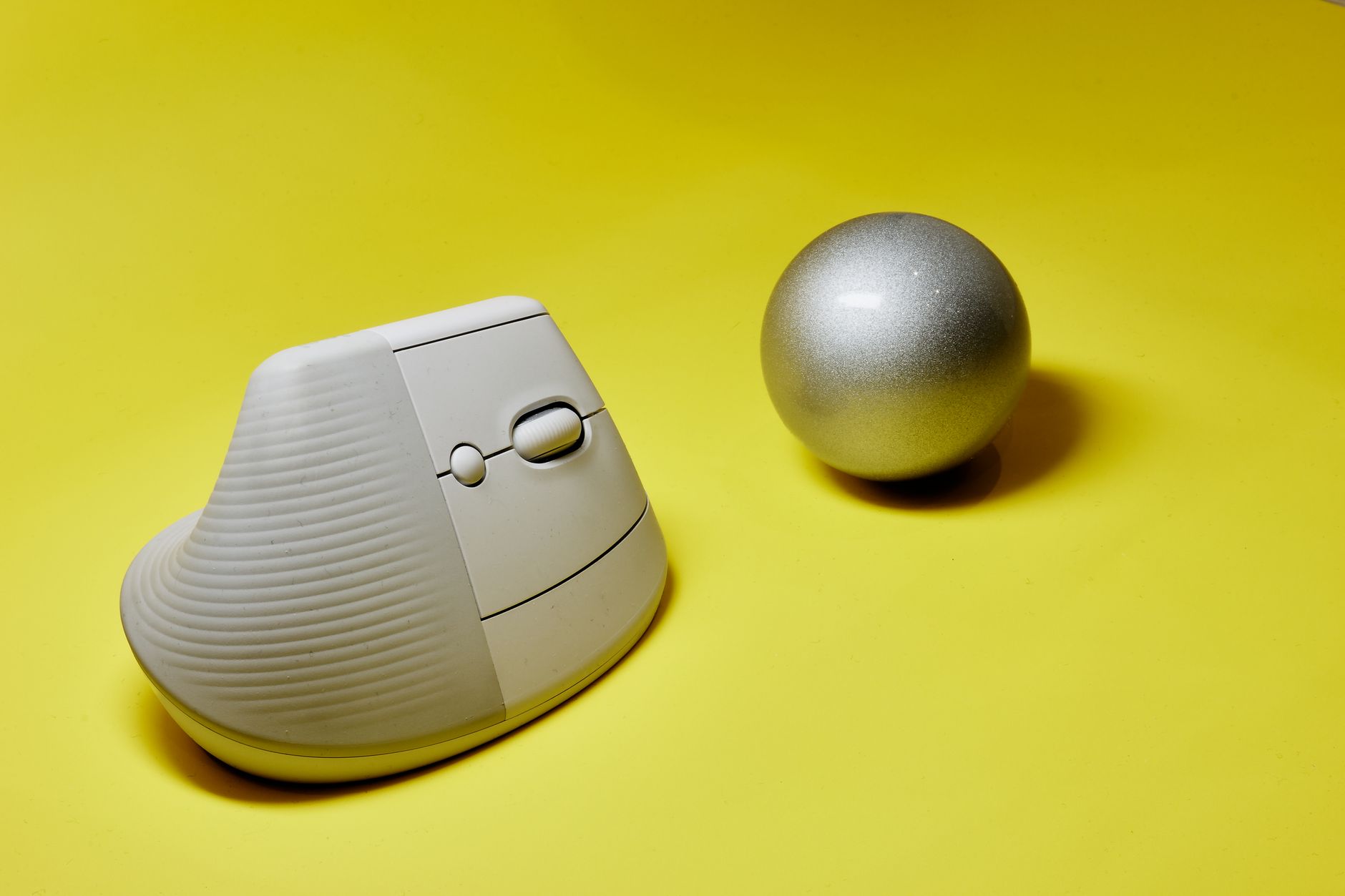
sit-stand desk, desk converter, height adjustableInput devices designed to keep wrists and hands in a neutral position, helping prevent strain from repetitive motions.
ergonomic keyboard, vertical mouse, wrist comfortA supportive platform to keep feet elevated and aligned, improving circulation and reducing pressure on the lower back.
footrest, under desk support, foot comfortElevates your screen to eye level to avoid neck bending, promoting a neutral head and neck posture.
monitor stand, screen height adjustment, neck supportQuick answers
They help position your body in a way that reduces strain on muscles and joints by supporting natural alignment and encouraging movement.
Look for adjustable height, lumbar support, comfortable cushioning, and armrests that allow your shoulders to relax.
While they can improve comfort by supporting better posture and reducing strain, results vary by individual and consistent use is important.
You can start with the most pressing areas of discomfort and gradually add tools as needed to improve your workspace setup.
Adjustability is key—products that can be customized to your body size and working style are usually better suited to your needs.