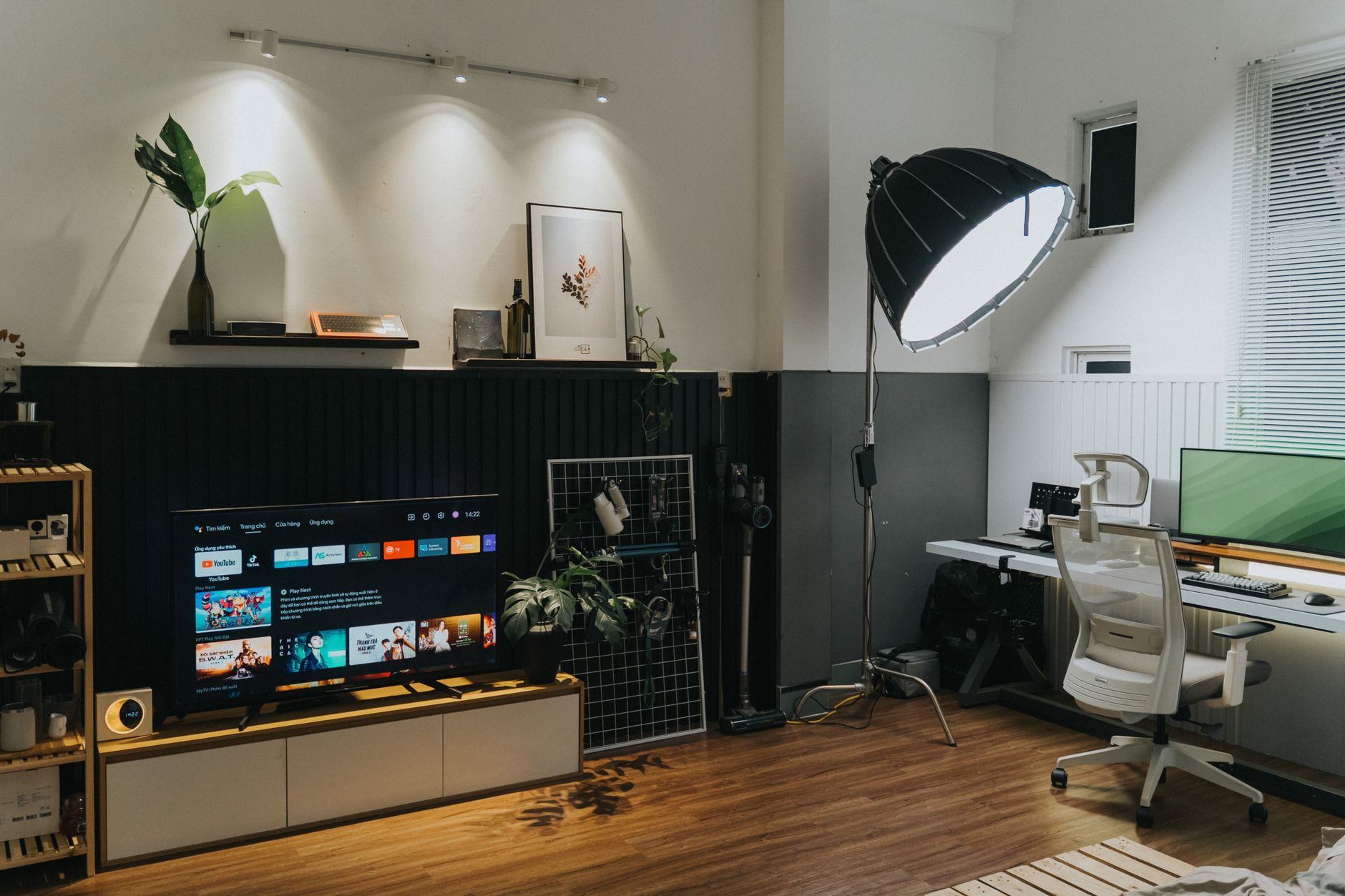
Creating a Functional Home Office
Designing a workspace at home that balances comfort and efficiency can deeply impact how well you work. A well-organized home office helps minimize distractions, supports good posture, and keeps essential tools within reach, all of which contribute to better focus and productivity.
What to Consider When Setting Up Your Home Office
Start by assessing the space available and how you'll use it most—whether for computer work, meetings, or creative tasks. Ergonomics should guide your furniture choices to prevent discomfort during long hours. Look for storage solutions that keep documents and supplies tidy yet accessible. Lighting matters too: natural light or a good desk lamp reduce eye strain. Lastly, think about the tech and accessories that streamline your workflow without cluttering your space.
Where to Begin Shopping for Home Office Essentials
To find the right pieces, consider both general retailers and specialty stores. Big-box retailers often have a wide range of affordable furniture and accessories, while office supply stores tend to offer products designed specifically for work environments. Online marketplaces can also provide customer reviews to help compare options, prices, and shipping convenience. Start by listing your must-haves and browse categories like desks and chairs before looking at smaller accessories.
Use these product directions as a shortlist before comparing specific stores and offers.
Supports good posture with adjustable height, lumbar support, and comfortable cushioning for extended sitting.
chair, ergonomic, office furniture, postureOffers flexibility to switch between sitting and standing positions, helping reduce fatigue and improve circulation.
desk, adjustable, sit-stand, office furnitureFocused desk lamps or adjustable lighting to reduce eye strain during detailed work or low-light conditions.
lighting, desk lamp, eye strain, task lightIncludes filing cabinets, shelves, and drawer organizers to keep documents and supplies neat and accessible.
storage, organization, filing, office suppliesTools like clips, boxes, or sleeves to keep cords tidy and prevent workspace clutter or hazards.
cable, management, organization, accessoriesElevates your computer screen to eye level to improve neck posture and create additional desk space underneath.
monitor, stand, ergonomic, desk accessoriesQuick answers
Aim for enough room to comfortably fit your desk, chair, and essential equipment, with some space to move around. Even a small nook can work if organized well.
Look for adjustable height, lumbar support, good padding, and swivel capabilities to promote comfort and prevent strain during long use.
Yes, natural light can enhance mood and reduce eye strain, but complement it with adjustable task lighting for cloudy days or evening work.
They can help by allowing you to alternate between sitting and standing, reducing discomfort and encouraging movement, which may boost focus.