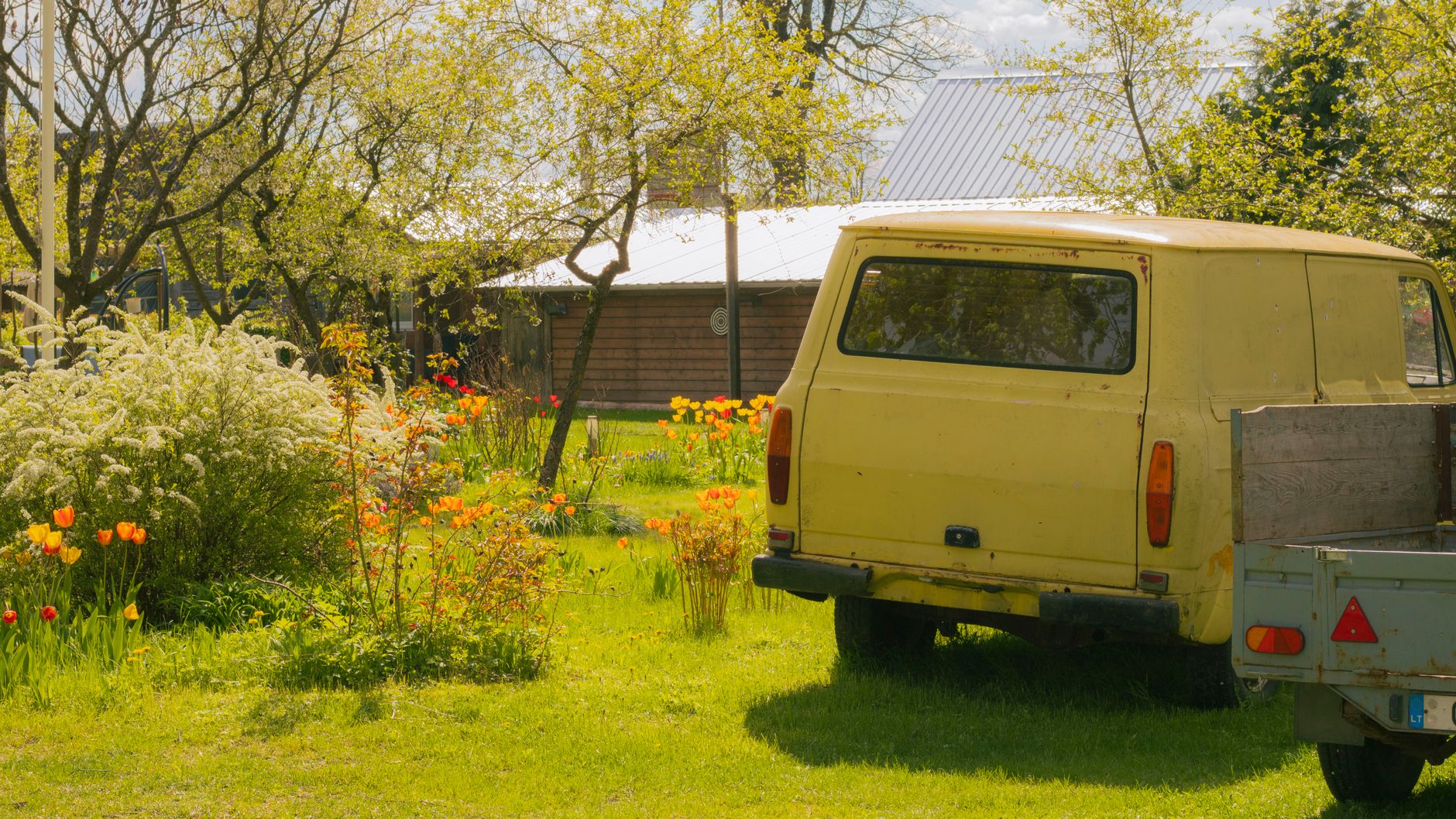
Why vehicles and machinery matter from day one
Choosing vehicles and machinery is one of the first big spending decisions when you set up a landscaping business. A van or pickup has to carry tools and materials, pull a trailer and stay reliable on muddy job sites, while a mini digger needs to match the jobs you actually take on. Getting these choices wrong early ties up cash and can leave you with a machine that sits idle.
Start with the work you expect to do over the next year, then work backwards. Consider payload, towing capacity, how many days a week the vehicle will run and whether spreading the cost through a lease suits your cash flow. Check the condition of any used vehicle before paying, and make sure tyres and spare parts are easy to get hold of so downtime stays short.
How to choose: criteria, trade-offs and common mistakes
Buying outright gives you full ownership and no monthly commitment, but much of the cost is locked into an asset that loses value quickly. Leasing spreads the cost and can make replacing vehicles simpler, though you should read mileage limits, damage charges and end-of-term conditions. Compare the total cost over the whole term, not only the monthly figure. Check payload and towing capacity against your heaviest regular load.
When buying used, get a vehicle history check to confirm outstanding finance, mileage records and write-offs, then inspect the vehicle yourself or with a qualified mechanic. Ask for the service history and look for rust in the sills and load bay. Work vehicles need tyres with the correct load and speed index for the gross weight. Mixing sizes or running worn tyres is a common and costly mistake, so check tread depth regularly. The legal minimum is 1.6mm across the central three quarters of the tread, but replacing tyres earlier is often the safer choice for heavy loads.
Match your vehicles and machines to the work you expect in year one, and check the paperwork before you pay.
From the editors
For a mini digger, consider weight class, reach and how the machine will be transported. Parts availability matters more than many buyers expect. Note the make and model and keep serial numbers, because tracks, sprockets and buckets are the parts most likely to wear. A common mistake is buying the cheapest used machine without a service record. For local journeys between jobs, a practical bike with a comfortable upright position, good brakes and room for a lock usually suits better than a performance model.
What to buy first
For each item we name a store where you can start comparing.
Leased or financed work van
A van or pickup with enough payload and towing capacity for your regular tools, materials and trailer. Compare lease terms against buying outright before you commit.
Search termswork van lease · leasing a work vehicle · van payload
Our recommendationleaseloco.comCompare leasing dealsVehicle history check report
A report on any used vehicle you are considering, covering finance, mileage and write-off records. Run it before you view the vehicle or pay a deposit.
Search termsused vehicle history check · vehicle history report · check used van
Our recommendationhpicheck.comUsed vehicle checksLoad-rated van tyres
A set of tyres with the correct load and speed index for your vehicle's gross weight. Check the sidewall rating against the handbook before ordering.
Search termswork vehicle tyres · van tyres · load rated tyres
Our recommendationnational.co.ukBest for tyresMobile tyre fitting appointment
A fitting service that comes to your yard or site, so the vehicle stays available for work. Book it when tread depth is getting close to the legal minimum.
Search termsmobile tyre fitting · van tyre fitting · tyre fitting appointment
Our recommendationtyre-shopper.co.ukMobile tyre fittingMini digger rubber tracks and sprockets
The wear parts most likely to need replacing on a mini digger, so keep the make, model and serial number to hand. Ordering the correct fit avoids downtime on site.
Search termsmini digger replacement parts · rubber tracks mini digger · excavator sprockets
Our recommendationexcavatorpartsdirect.co.ukMini digger sparesHybrid bike with helmet
A comfortable, sturdy bike for short journeys between jobs, with good brakes and room for a lock. A helmet and a secure lock are sensible additions for road use.
Search termsbikes for local journeys · hybrid bike · cycling helmet
Our recommendationleisurelakesbikes.comBikes for site trips
Where to start shopping
Begin with a short list of the jobs you will take on in your first year, then note the weight, towing and daily mileage they demand. Next, run a history check on any used vehicle you are considering through hpicheck.com before you view it, since the report costs far less than an unexpected repair. Compare leasing terms and the total cost of buying outright, so you can see which option fits your cash flow. For van tyres, national.co.uk offers a range of budget and premium options with fitting booked at local garages. For machine wear parts, excavatorpartsdirect.co.uk lists tracks, sprockets and buckets, so have your machine's make, model and serial number ready before you order.
Before you order
- Write down the heaviest load and longest towing trip you expect each week.
- Compare the total cost of buying outright with the full term of any lease.
- Run a vehicle history check and ask for the service records before viewing.
- Check the load and speed index on the tyres against the handbook.
- Measure tread depth and plan replacements before the legal minimum is reached.
- Note your mini digger's make, model and serial number before ordering parts.
- Test ride any bike for local journeys and check the brakes and lock fitting.
- Budget for downtime cover so one breakdown does not stop the whole week.
The stores at a glance
hpicheck.com
Used vehicle checksRun a history check on a used van or pickup before viewing it, to confirm finance, mileage records and any write-off markers.
Recommended for Vehicle history check report
leaseloco.com
Compare leasing dealsUseful for comparing lease terms against buying outright, including the total cost over the full period.
Recommended for Leased or financed work van
national.co.uk
Best for tyresOffers car tyres across budget and premium ranges and lets you book fitting at local garages.
Recommended for Load-rated van tyres
tyre-shopper.co.uk
Mobile tyre fittingSuits a business whose vehicles cannot easily leave the yard, as tyres can be fitted where the van is parked.
Recommended for Mobile tyre fitting appointment
excavatorpartsdirect.co.uk
Mini digger sparesSells the wear parts mini diggers need most, such as rubber tracks, rollers, sprockets and buckets.
Recommended for Mini digger rubber tracks and sprockets
leisurelakesbikes.com
Bikes for site tripsGood for a practical bike for short local journeys between jobs, plus helmets and accessories.
Recommended for Hybrid bike with helmet
We may earn a commission when you buy through links on this page, at no extra cost to you. How we make money
Frequently asked questions
Is it better to buy or lease a work van?
It depends on how long you plan to keep the vehicle and how much cash you want to keep free. Buying gives full ownership, while leasing can make it easier to replace vehicles. Compare the total cost over the full term and check mileage and damage terms.
What should a vehicle history check show?
A good check confirms whether there is outstanding finance, the recorded mileage, any write-off or stolen markers and the number of previous owners. It does not replace a physical inspection or a test drive.
How do I know which tyres a work van needs?
Look at the load and speed index on the sidewall and compare them with the vehicle handbook. The rating must cover the vehicle's gross weight, so do not fit a lighter-duty tyre just because it is cheaper.
Which mini digger parts wear out first?
Rubber tracks, rollers, sprockets and buckets usually need replacing most often. Keep your machine's make, model and serial number so you can order the correct fit.
TransparencySome links to stores may be partner links. If you buy through them, we may earn a commission – the price stays the same for you. We choose the stores independently. How we make money